Training & Behaviour · Stage 02
Recall, Lead Walking & Training Out in the World
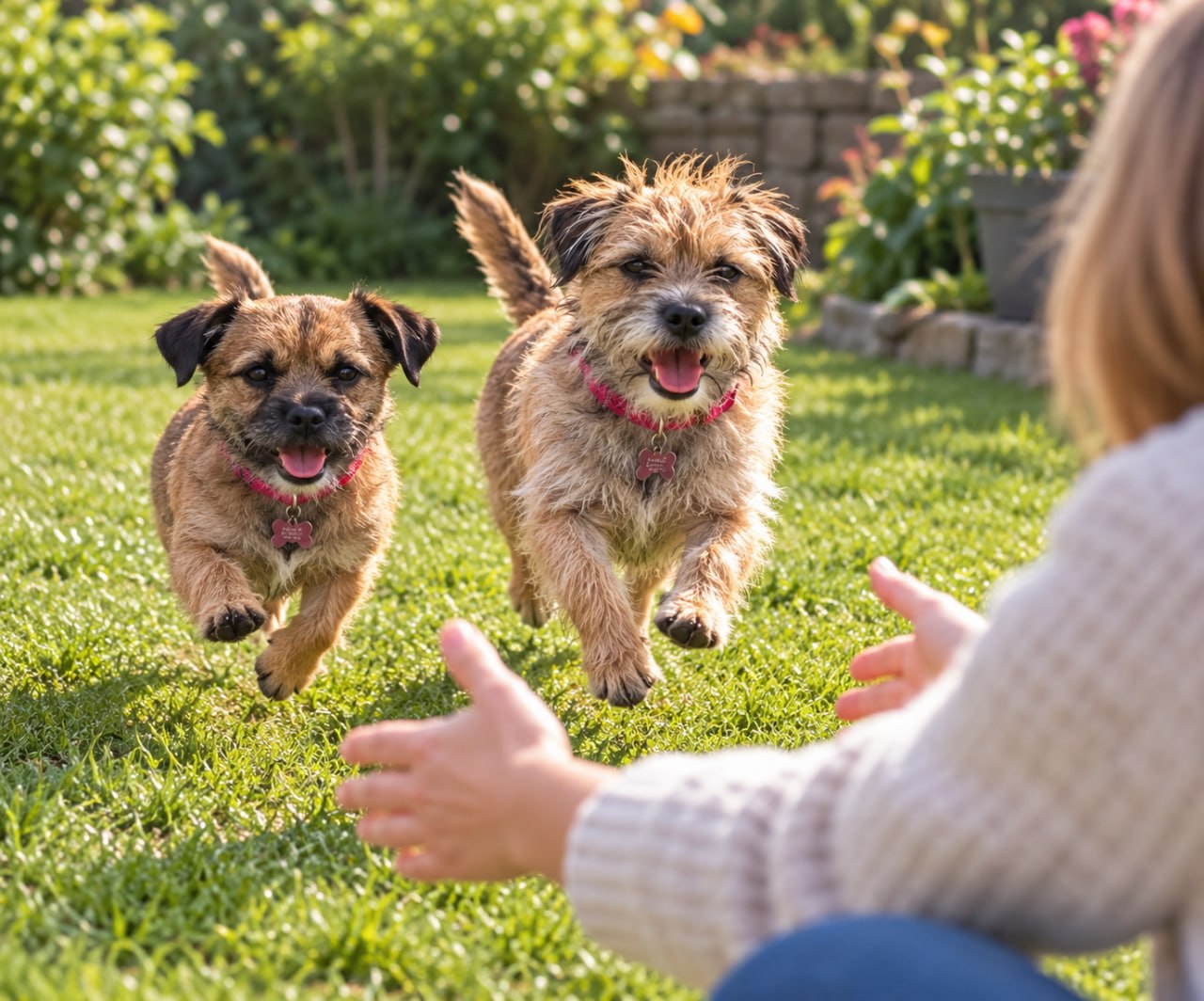
Recall: Coming Back When It Matters
Recall isn’t simply about teaching the word “come”.
The goal is to build a strong history in which returning to you is worthwhile.
Begin somewhere with very few distractions. Use the recall cue once, mark the dog’s arrival and reward generously.
Increase distractions gradually.
Don’t make every recall mean that the fun ends. Sometimes call your dog, reward them and let them return to what they were doing.
Never punish a dog once they return to you, even if the return took longer than you hoped.
A long training line attached appropriately to a harness can provide controlled freedom while recall reliability develops.
The aim is for your dog to learn that coming back when called is always a positive and rewarding experience.
Teaching Your Dog to Walk Comfortably on a Loose Lead
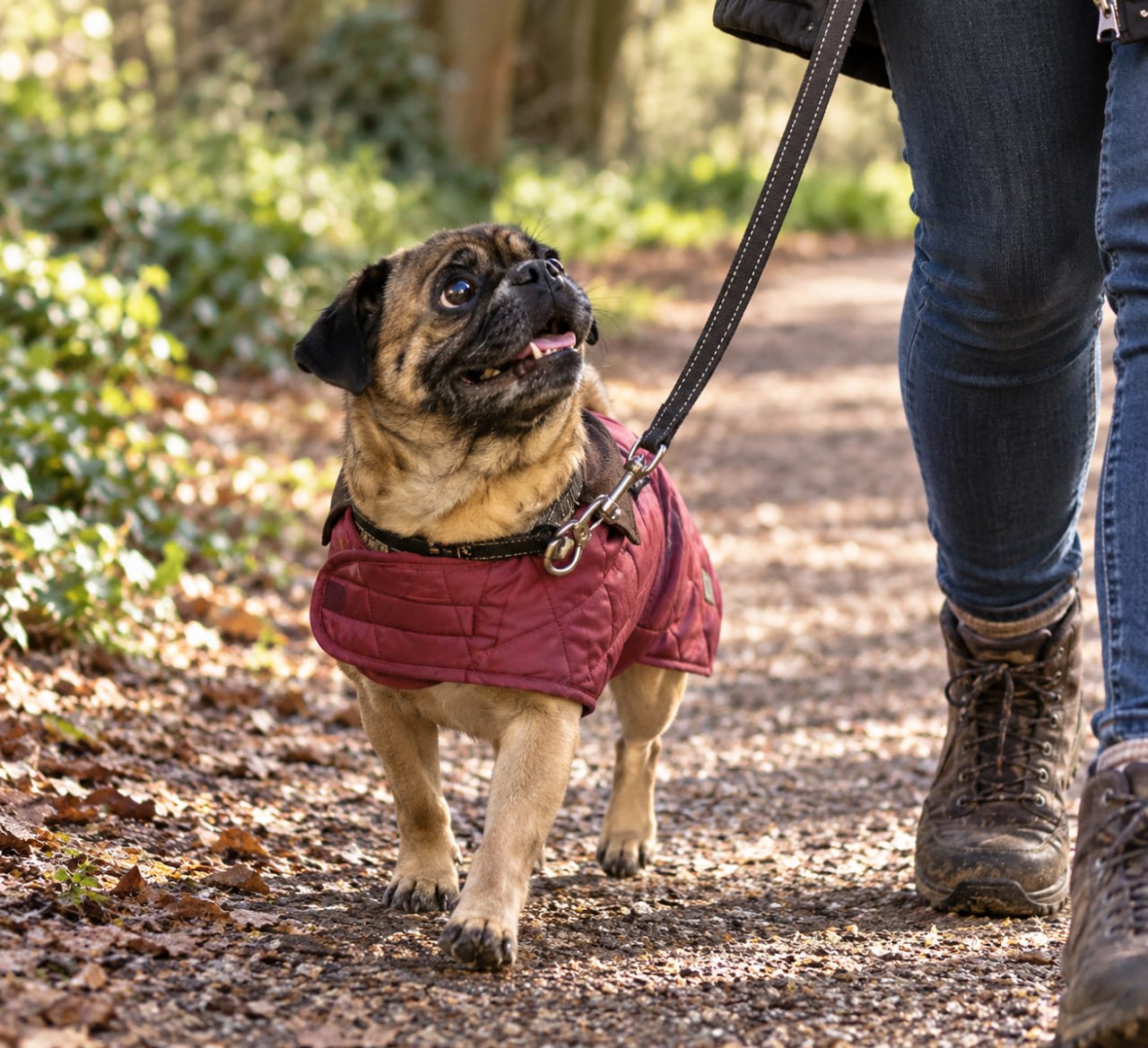
The practical goal is a comfortably loose lead that allows both dog and person to enjoy the walk.
A dog does not need to march at heel for an entire outing.
Reward movement while the lead is loose.
When the lead becomes tight, forward progress can pause. Continue when the tension eases.
Practise in manageable bursts rather than expecting an entire walk to become one long training session.
Training Around Distractions
Something a dog can do beautifully in the kitchen may become much harder outdoors.
People, dogs, traffic, wildlife, smells, unfamiliar environments and excitement all change the difficulty level.
If a skill falls apart, make the situation easier.
Create more distance, reduce the distraction or return temporarily to an easier version of the exercise.
Difficulty is information, not failure.

Allowing Your Dog Time to Sniff and Explore on Walks
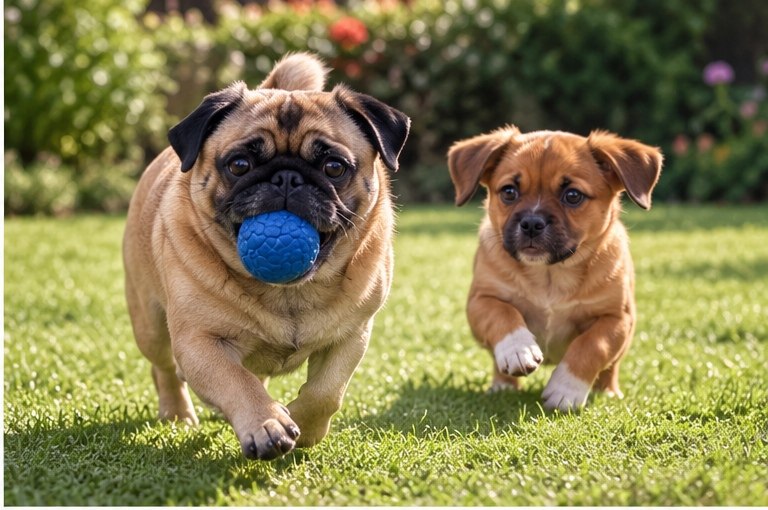
Dogs experience much of the world through smell and exploration.
Sniffing and exploring can be valuable parts of a walk.
Not every outing needs to become a perfect training session.
Training should help dogs participate safely in ordinary life without removing all the things that make that life enjoyable.