Care & Wellbeing · Stage 01
Everyday Health & Knowing Your Dog
You know your dog better than you think.
You see them every day.
You know how enthusiastically they usually greet breakfast, how they walk when they’re comfortable, where they like to sleep, how much they drink and whether that suspicious silence usually means they’re asleep… or up to something.
All those ordinary little details matter.
Because one of the most useful things you can learn about your dog’s health isn’t a list of illnesses.
It’s what’s normal for your dog.
A change doesn’t always mean something is wrong. But knowing your dog’s usual habits, appearance and behaviour can make it much easier to notice when something has changed and decide whether it’s worth speaking to your vet.
Start with what you see every day
You don’t need to perform a medical examination every morning.
Simply paying attention to everyday life can tell you a surprising amount.
Get to know your dog’s everyday habits:
Appetite
Are they normally waiting hopefully before you’ve even reached the food cupboard? Or are they naturally a slower, less enthusiastic eater?
Drinking
You don’t need to obsess over every trip to the water bowl, but it’s useful to have an idea of what’s usual for them.
Toileting
Changes in how often your dog wees or poos, difficulty going, accidents when they’re normally reliable, or persistent changes in their poo are worth noticing.
Energy and enthusiasm
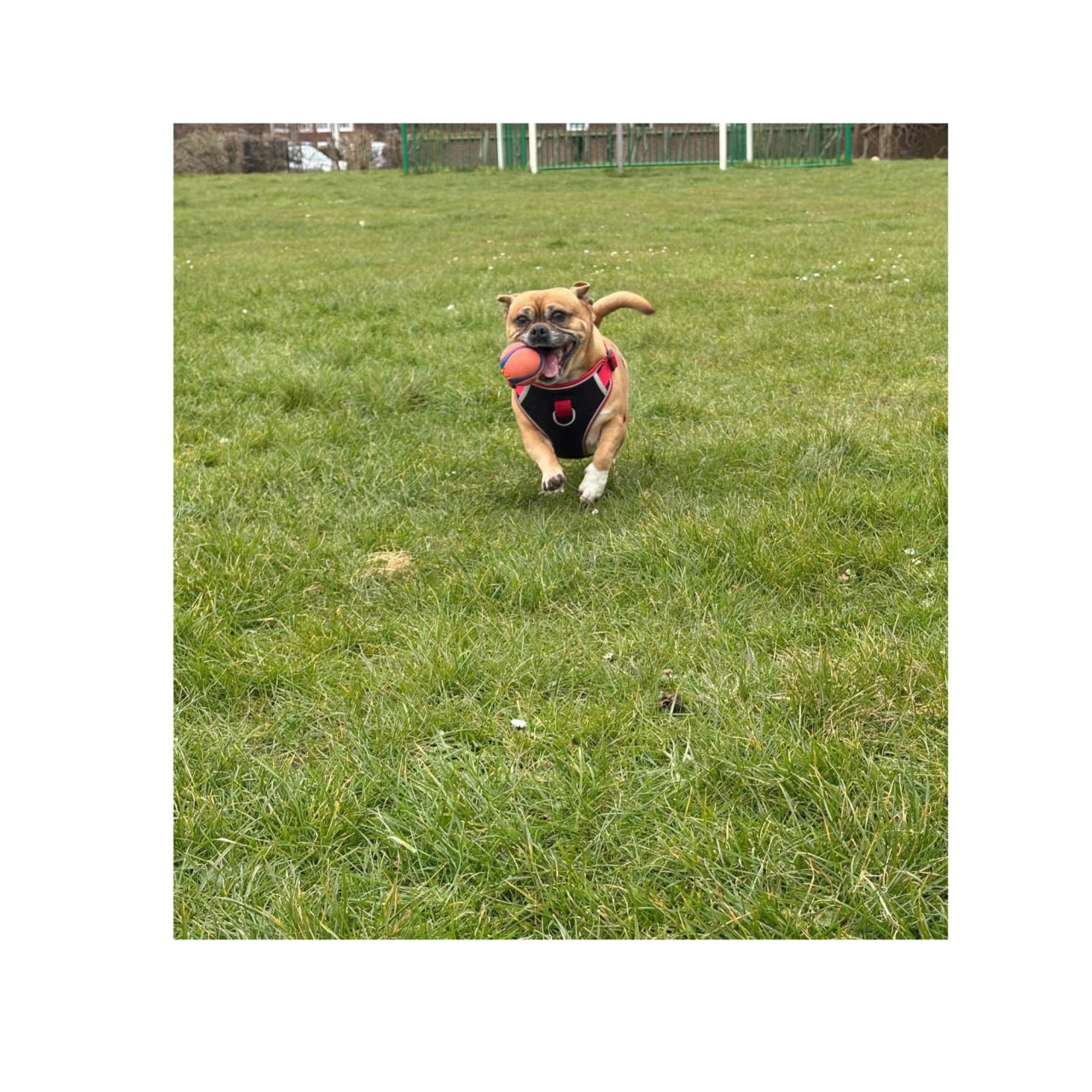
Some dogs wake up ready to conquer the world. Others consider getting out of bed before breakfast an unreasonable request. 😂 What matters is knowing their normal.
Movement
Notice how your dog normally walks, gets up, climbs steps and settles down. Having a short video of your dog walking and moving normally can also give you a useful reference if their movement changes later.
Behaviour
A dog who suddenly becomes withdrawn, restless, unusually clingy, reluctant to be touched or simply seems unlike themselves may be telling you something. Changes in behaviour can sometimes be associated with pain or illness and shouldn’t automatically be dismissed as your dog “being difficult”.
You’re looking for change, not perfection.
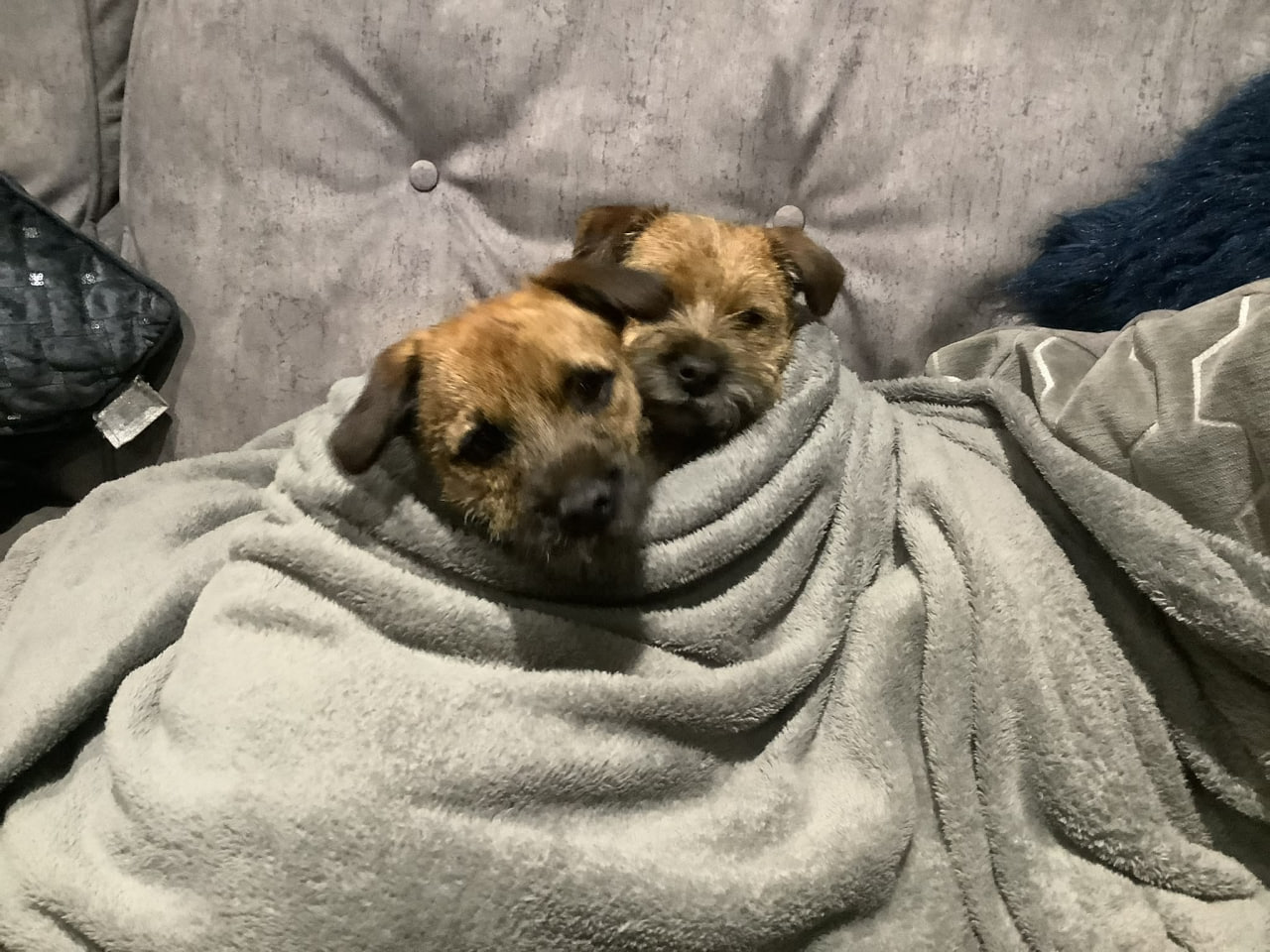
Your dog’s normal won’t necessarily look exactly like another dog’s normal.
The useful question is often:
“Is this different for them?”
Get to know them from nose to tail
Alongside everyday observation, it’s worth getting into the habit of gently checking your dog over.
Doing this when they’re healthy gives you something enormously useful: a baseline.
You’ll become familiar with the little lump they’ve always had, how their paws normally feel, what their gums usually look like and whether one ear naturally sits slightly differently from the other.
Then if something changes, you’re more likely to notice.
Before you start
Choose a time when your dog is relaxed.
Some dogs won’t care in the slightest about having their ears inspected or paws touched. Others would like to lodge a formal complaint with management.
Don’t force it.
Start with areas your dog is already comfortable having touched and gradually introduce more sensitive areas. Keep sessions short, use praise or treats if your dog enjoys them, and pay attention to their body language.
If your dog becomes worried or distressed, stop.
A sudden reluctance to be touched can itself sometimes be associated with discomfort or pain. If you’re concerned, speak to your vet.
Your nose-to-tail check
Eyes
Get familiar with how your dog’s eyes normally look.
Look for changes such as redness, cloudiness, unusual discharge, excessive watering, swelling or squinting.
Both eyes should normally look similar to one another. If something suddenly looks different or your dog appears uncomfortable, contact your vet for advice.
Ears
Have a gentle look at your dog’s ears and become familiar with how they normally look and smell.
Watch for redness, swelling, unusual or excessive discharge, a strong unpleasant smell, repeated scratching or rubbing, or discomfort when the area is touched.
And resist the temptation to start enthusiastically cleaning simply because you’ve looked inside. Ear cleaning isn’t necessary for every dog. If you’re unsure whether your dog’s ears need cleaning, ask your vet.
Mouth, teeth and gums
If your dog is comfortable with it, regularly take a look at their mouth.
Become familiar with their teeth and their normal gum colour. Look out for broken or loose teeth, increasing tartar, sore or swollen gums, unusual lumps, persistent bad breath or changes in the way they eat.
One slightly sneaky thing about dental pain is that a dog may continue eating despite being uncomfortable, so eating normally doesn’t automatically mean their mouth is fine.
We’ll go much further into everyday dental care in Grooming, Teeth, Skin & Coat.
Skin and coat
As you stroke or groom your dog, use your hands as well as your eyes.
You’re getting familiar with what’s normally underneath all that fluff.
Look and feel for:
cuts or grazes • redness • sore areas • hair loss • unusual itching • parasites • new lumps or bumps • changes in existing lumps
If you find a new lump or notice an existing one changing, let your vet assess it rather than trying to decide what it is yourself. Taking a photograph of an easily visible change can also be useful for keeping track of it and showing your vet.
Body and weight
Weight can creep up or down gradually, which makes changes surprisingly easy to miss when you see your dog every day.
Don’t rely only on the number on a set of scales.
Looking at and gently feeling your dog’s body shape can help you monitor their body condition too.
We’ll cover this properly in Food, Nutrition & Healthy Weight.
Legs, paws and nails
Get used to how your dog normally stands and moves.
When they’re comfortable being handled, gently check their legs and paws for swelling, sore areas, cuts, damaged or overgrown nails, or things caught between the pads.
And don’t forget the dew claws if your dog has them.
Movement
Sometimes you can spot a change without touching your dog at all.
Watch them walking naturally.
Are they using all four legs normally? Are they stiff getting up? Hesitating before jumping somewhere they normally manage easily? Moving differently on one side?
You aren’t trying to diagnose why.
You’re simply noticing:
“That’s not how they normally move.”
Tail and bottom
Not glamorous.
Still part of the dog.
Your dog’s tail should move and sit in its normal way for them. Look for swelling, injury, sore skin, unusual chewing or persistent attention to the area.
The area beneath the tail should normally be clean and comfortable. Repeated scooting, licking, chewing or visible irritation is worth discussing with your vet.
Don’t forget the things you can’t see
Knowing your dog isn’t only about looking at their body.
Sometimes behaviour is the change you notice first.
Perhaps they’re suddenly reluctant to go upstairs. They stop jumping onto their favourite chair. They don’t want to play, begin avoiding being brushed, seem unusually restless at night or become grumpy when somebody approaches a particular part of their body.
None of those things tells you what is wrong, and some may turn out to be nothing concerning at all.
But a noticeable or persistent change from your dog’s normal behaviour deserves attention.
We’ll look much more closely at these sorts of changes, and when it may be time to ask for veterinary help, in When Something Isn’t Right.
Keep a simple record
You absolutely do not need a spreadsheet documenting every sneeze.
But keeping a few basic records can be genuinely useful.
Consider keeping:
- your dog’s current weight and previous weights
- vaccination and routine treatment dates
- medications
- photographs of visible changes you’re monitoring
- brief notes about unusual symptoms or behaviour
- short videos if their movement changes
If you need to speak to your vet, being able to say what changed and when you first noticed it is much more useful than desperately trying to remember whether something started Tuesday or three weeks ago.
Our My Dog’s Care & Wellbeing Record will give you one simple place to keep these useful details together.
When should I call the vet?
No website checklist can cover every situation. You know your dog and what is normal for them. If something seems different or you’re worried about their health, trust your instincts and contact your vet for advice.
You don’t need to work out what’s wrong yourself. Noticing changes and explaining them to your vet can help them decide what care your dog may need.
For more guidance on changes to look out for and when to seek veterinary advice, visit When Something Isn’t Right in our Care & Wellbeing section.
The little things add up
Good everyday care isn’t about inspecting your dog anxiously from morning until night.
It’s almost the opposite.
It’s becoming so familiar with them that you naturally notice when something changes.
The way they walk.
The way they eat.
The way they look at you when you’ve opened the fridge and apparently forgotten that cheese is a shared resource.
Knowing what’s normal makes it easier to notice what isn’t.
And sometimes, that small observation may be exactly what prompts you to get help when your dog needs it.