PRODUCT GUIDES STAGE 06
Travel, Safety & Dog Tech
Days out, weekends away and even an ordinary trip to the vet are easier when you have the right things with you.
But travel equipment can be one of those areas where it is very easy to buy far more than you actually need.
The essentials are fairly simple: keep your dog secure, comfortable, identifiable and able to have food and water when needed. After that, the useful extras will depend on your dog, your car and the kind of journeys you make together.
Start with safe car travel
However short the journey, your dog should not be loose in the car.
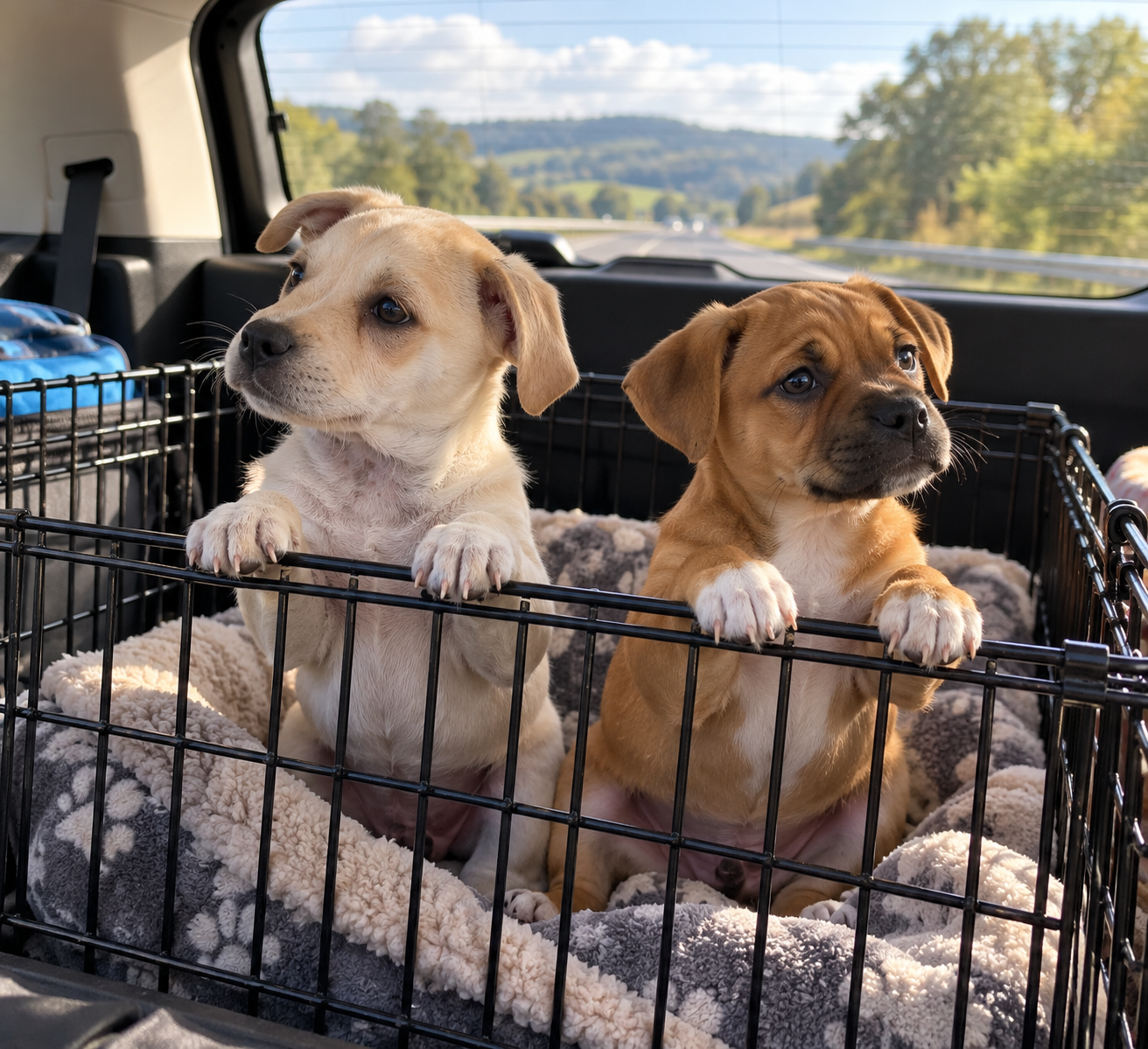
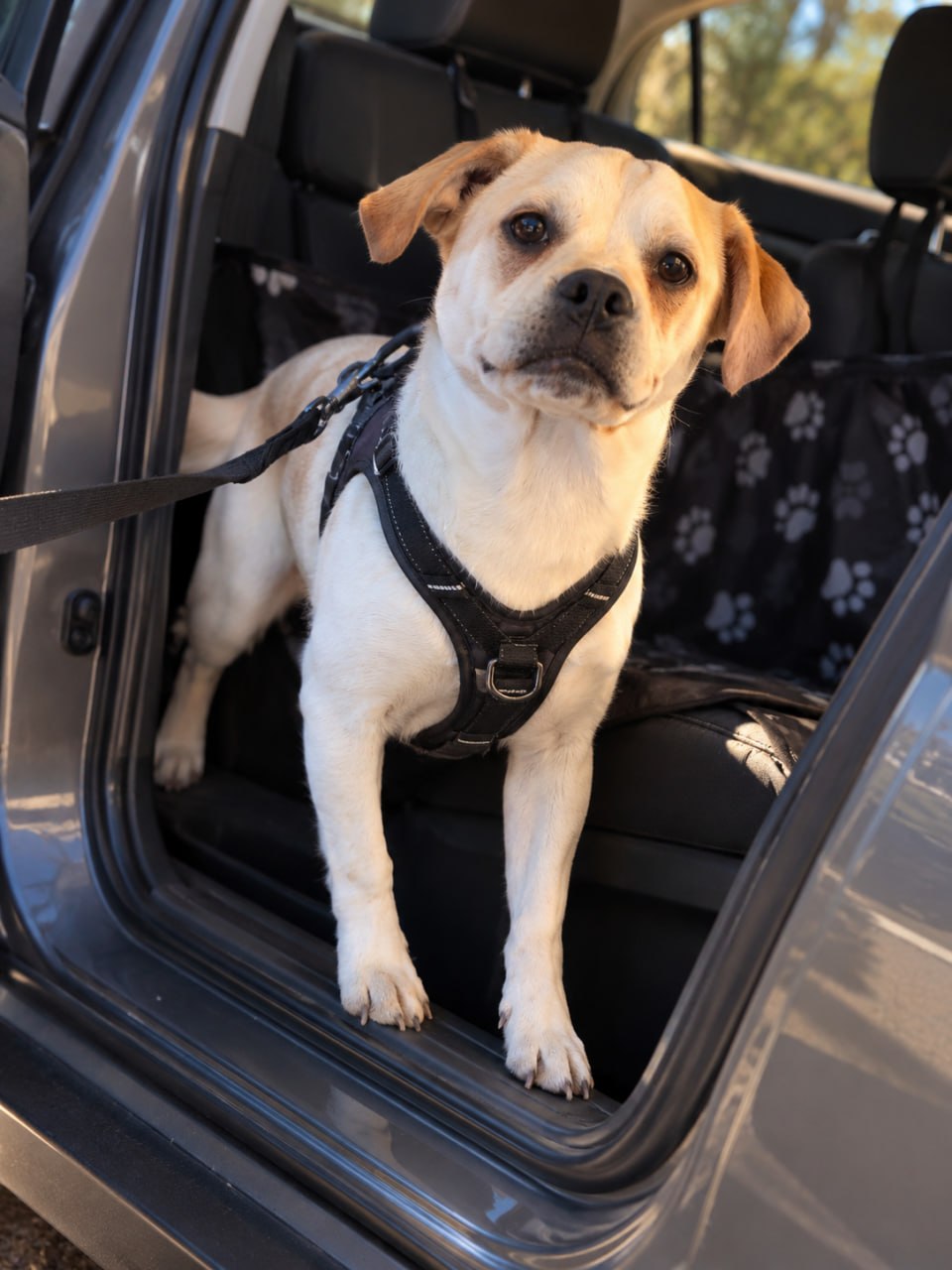
Even on a short journey, your dog should be safely restrained in the car. Rule 57 of the Highway Code advises that dogs and other animals should be secured so they cannot distract the driver or be injured during sudden braking. Suitable options include a dog car harness, a secured carrier or crate, or a suitable dog guard.
Rule 57 is guidance rather than a specific legal requirement to use a particular restraint. However, driving with an unsecured dog could still have legal consequences if it causes distraction or contributes to an accident.
Read Rule 57 of the Highway Code on GOV.UK
A suitable setup might include:
a seat-belt harness
a secure pet carrier
a dog crate
a properly fitted dog guard
There isn’t one arrangement that suits every dog or every vehicle.
A small dog may be comfortable travelling in a secured carrier, while another dog may be happier wearing an appropriate car harness. Larger dogs may travel in a properly secured crate or behind a suitable dog guard.
Whatever you choose, check that it fits your dog correctly, works with your particular vehicle and is used according to the manufacturer’s instructions.

A harness is only part of the setup
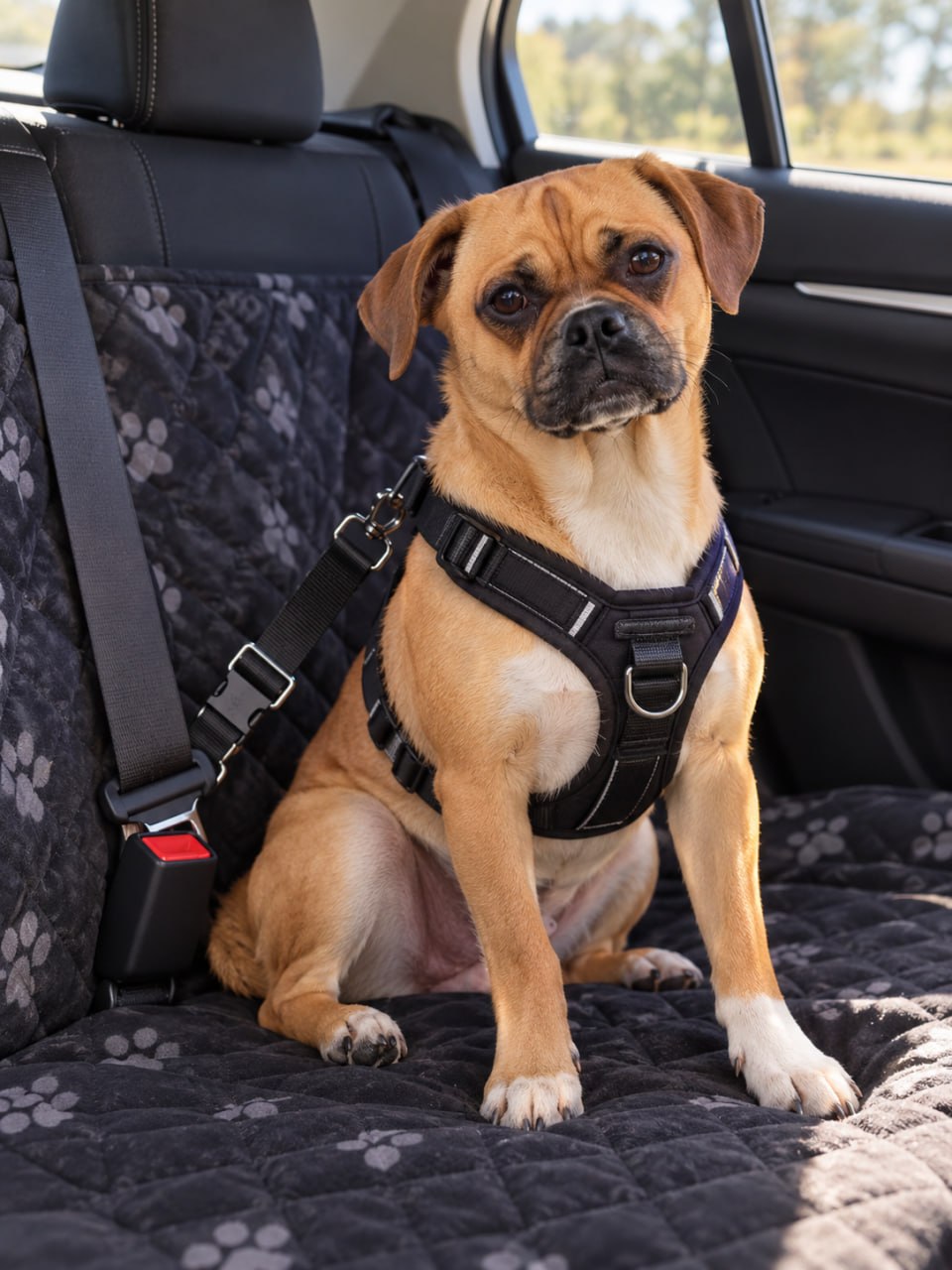
If you use a car harness, look at the whole restraint system rather than the harness in isolation.
Check how it attaches to the vehicle, whether your dog can sit or lie comfortably, and whether the length of the attachment allows too much movement.
Marketing terms such as “safety tested” and “crash tested” can sound reassuring, but they do not all mean the same thing. Look for clear information from the manufacturer about exactly how a product has been tested rather than relying on a claim on the packaging.
And never attach a car restraint to an ordinary collar. If the vehicle stops suddenly, the force could be concentrated around your dog’s neck.
Make the car comfortable too
Safety comes first, but comfort matters.
A washable seat cover or boot liner can protect the car from muddy paws, wet coats, hair and the mysterious substances dogs somehow manage to find within three minutes of leaving the house.
Look for something that:
fits securely rather than sliding around
is easy to remove and clean
gives your dog a reasonably stable surface
does not interfere with the restraint system
A familiar blanket can also help make the space feel more settled, particularly for a dog that is still getting used to travelling.
If your dog struggles with car journeys, buying more equipment is not necessarily the answer. Very short, calm journeys and gradual positive experiences may be more useful than another gadget.
Getting in and out
Think about how your dog gets into the vehicle as well as what happens once they are inside.
Jumping in and out may be easy for some dogs but difficult for puppies, older dogs, small dogs or dogs with mobility problems.
A ramp or set of vehicle steps can be useful where appropriate, but check the maximum weight, stability, grip and the height it is designed to reach.
Most importantly, give your dog time to learn how to use it.
A ramp that suddenly appears beside the car and wobbles underneath them is unlikely to inspire confidence.
Food and water away from home
One of the simplest travel purchases can also be one of the most useful: something your dog can drink from while you are out.
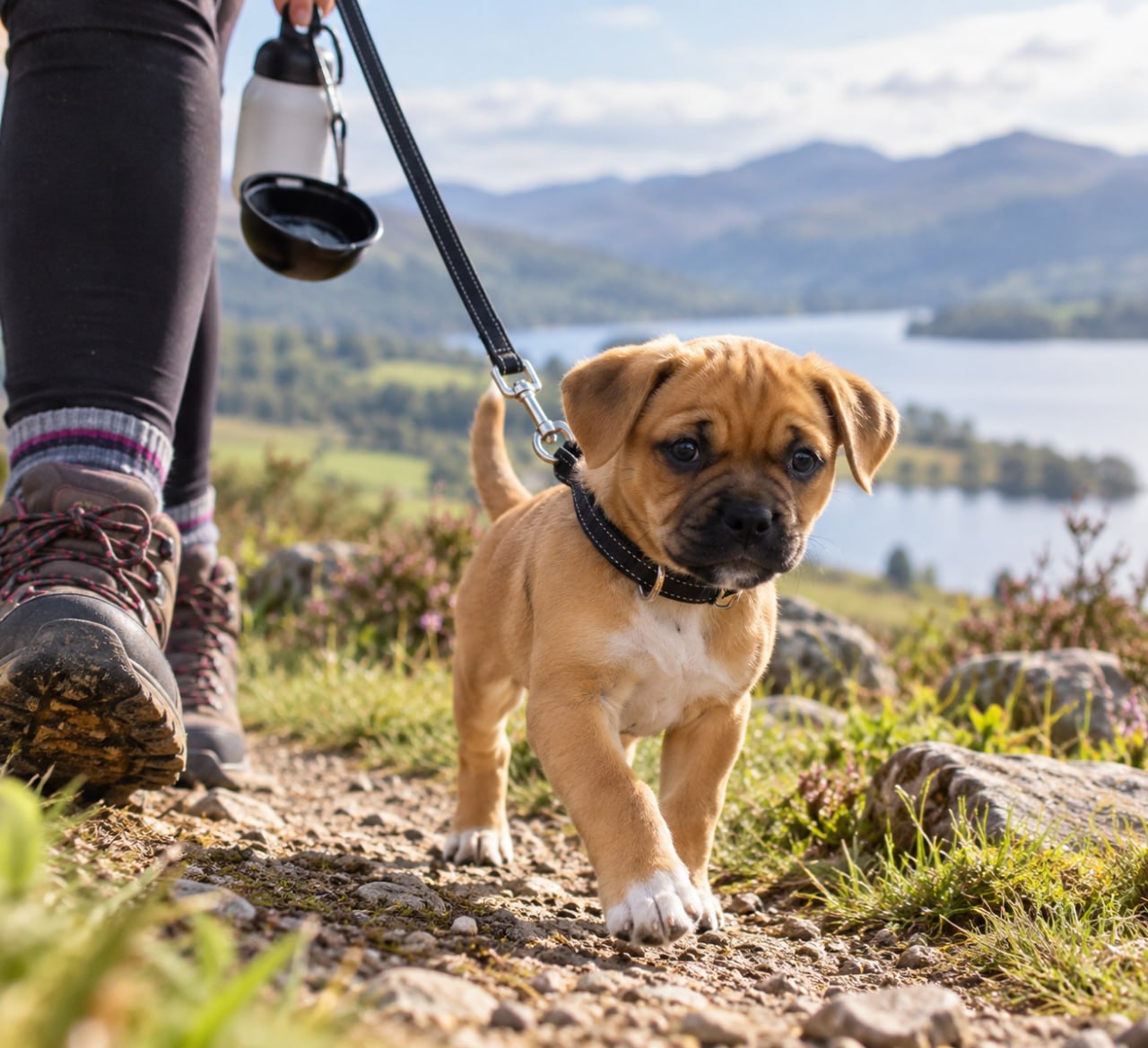
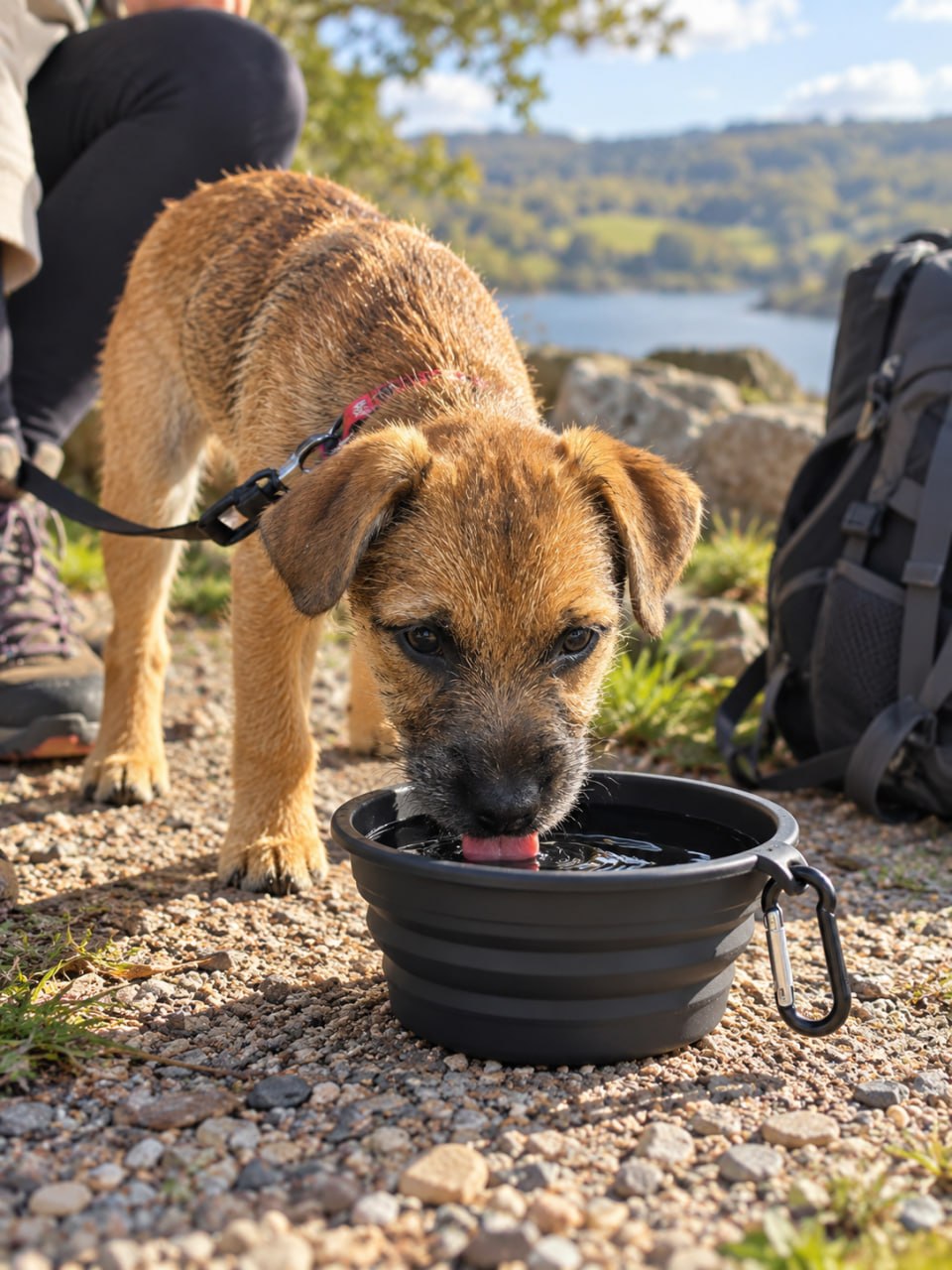
Collapsible bowls take up very little room and can be handy for walks, days out and longer journeys. Travel bottles with an attached drinking section are another option.
Whichever you choose, practicality beats clever design.
Ask yourself:
Is it easy to carry?
Is it easy to clean?
Does it hold enough for my dog?
Will it leak in my bag?
Can my dog actually drink comfortably from it?
For longer outings, take enough fresh water rather than assuming there will be somewhere suitable to refill.
If you are taking food with you, a sealed container can keep portions clean and dry. Measuring meals before leaving home can also be easier than taking a large bag of food.
What to Pack in Your Dog’s Travel Kit
You don’t need to pack half the contents of your house into the boot of your car.
A useful dog travel kit might contain:
Fresh water and a bowl, food if needed, treats, poo bags, a spare lead, a towel, any medication your dog needs, a familiar blanket, and basic first aid supplies.
Whenever you’re away from home, make sure you have your usual vet’s contact details and any important information about your dog with you. For longer trips, it’s also sensible to find the contact details of a veterinary practice near your destination before you leave.
Hopefully, you won’t need to contact a vet while you’re away, but having the information ready means you’ll know who to call if something happens.
Identification matters away from home
A microchip and an identification tag do different jobs, and one does not replace the other.
Dogs in the UK must be microchipped and registered on an appropriate database by eight weeks old. Your contact details need to be kept up to date.
A dog must also wear a collar and identification showing the owner’s name and address when in a public place.
A telephone number is sensible to include too, even though the important legal requirement is the owner’s name and address.
Before a holiday, house move or longer journey, it is worth checking that the information registered against your dog’s microchip is still correct.
For further information about microchipping and the identification details your dog should wear in public, see the official guidance below.
Microchipping your dog and keeping details up to date (GOV.UK)
The Control of Dogs Order 1992: Collar and identification requirements
GPS trackers and location devices
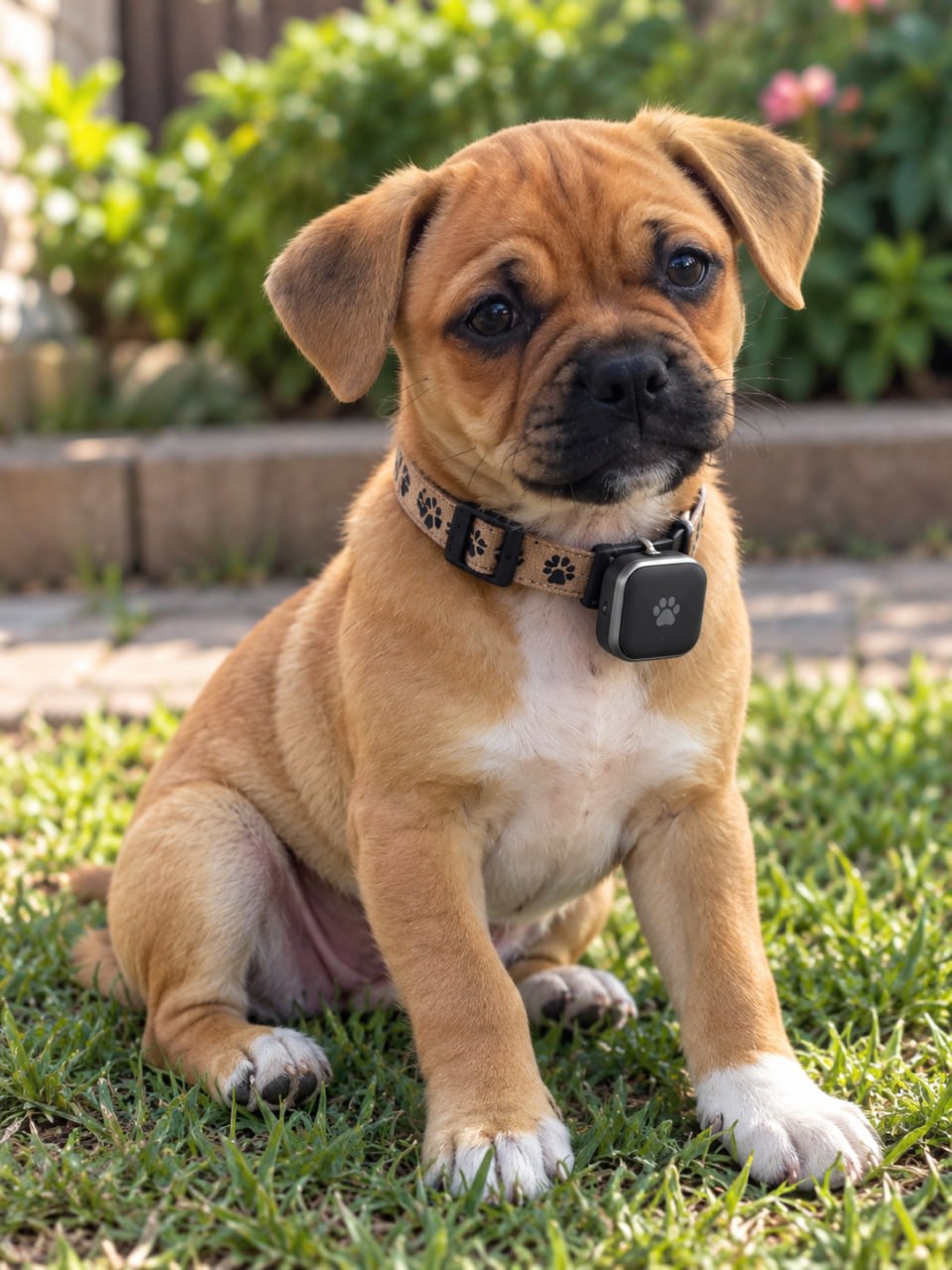
A tracker can be reassuring for some owners, particularly if their dog spends time off lead or regularly joins them on trips to unfamiliar places.
But this is an area where the word “tracker” can hide some important differences.
Some devices use GPS and a mobile network to report a dog’s location over a much wider area. Others use Bluetooth or a similar short-range connection and depend on nearby compatible devices.
Before buying, look at:
How the device actually locates your dog, coverage in the places you normally visit, battery life, size and weight, water resistance, how securely it attaches, the quality of the accompanying app, whether a mobile signal is required, and ongoing subscription charges.
Do not choose purely on the purchase price. A tracker that requires a monthly or annual subscription can cost considerably more over its lifetime.
And remember what it cannot do.
A tracker may help you locate a missing dog, but it does not replace secure fencing, sensible recall training, a lead where one is needed, an identification tag or an up-to-date microchip.
Think of it as another layer of protection rather than a substitute for the basics.
What about other dog tech?
There is an increasingly impressive collection of technology aimed at dog owners.
Activity monitors can record movement. Cameras can allow you to see your dog while you are away from home. Some devices dispense treats. Smart feeders can portion meals. Water fountains can monitor or circulate drinking water.
Some of it can be genuinely useful.
Some of it solves a problem you didn’t have until somebody invented a gadget for it.
Before buying any dog technology, ask three questions:
What problem am I trying to solve?
Will this actually make life better for my dog?
Could I achieve the same thing more simply?
A camera, for example, may be useful for seeing what your dog actually does when left alone. But technology should not be used as a substitute for meeting your dog’s needs, providing company or seeking appropriate help if you are concerned about their behaviour.
Travelling in warm weather
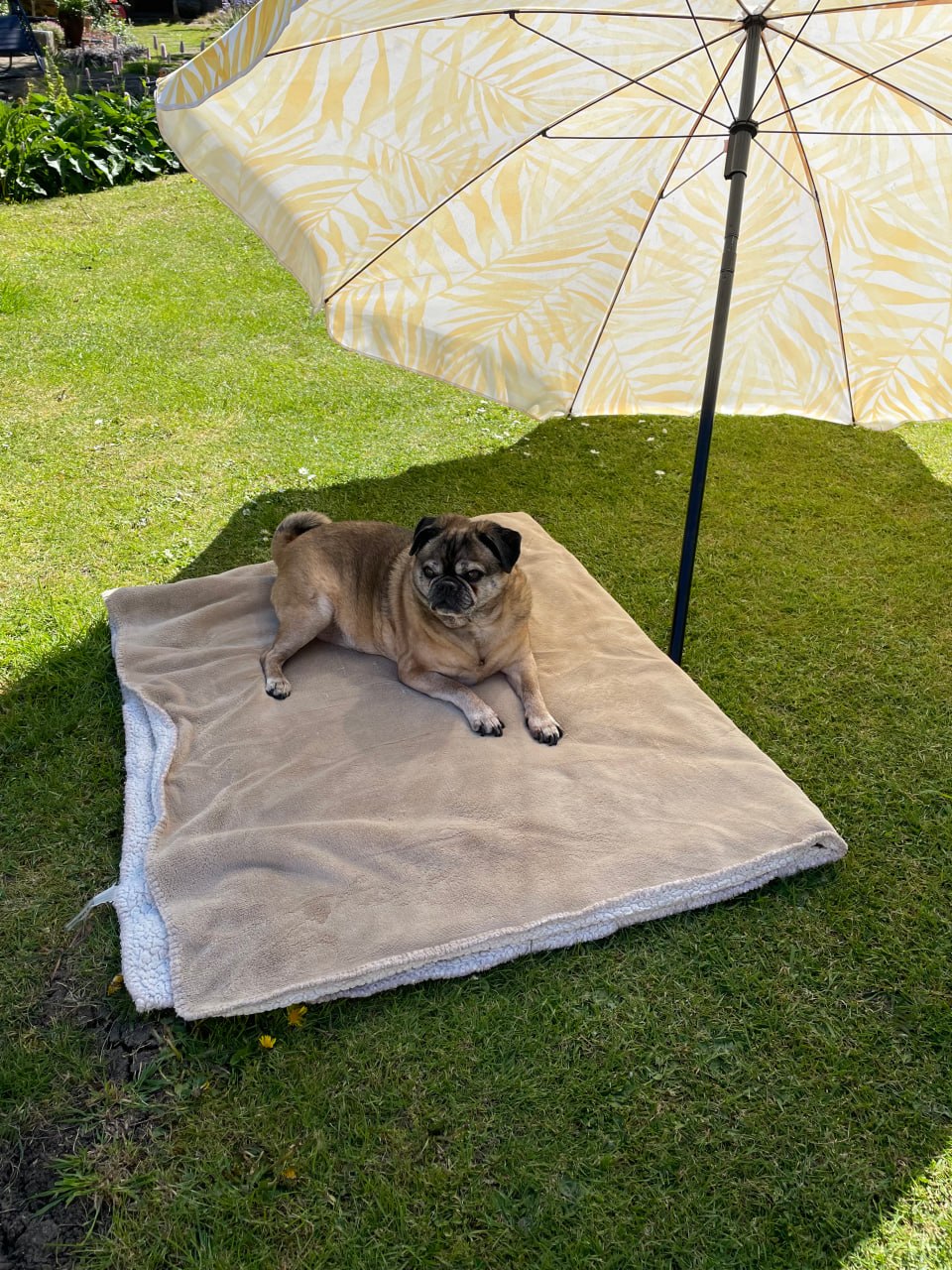
Cars can become dangerously hot very quickly.
Never rely on an open window, shade or the fact that you will “only be a few minutes” as a way of keeping a dog safe in a warm vehicle.
Plan journeys around the weather where necessary, keep the vehicle appropriately ventilated while travelling and make sure your dog has access to water during suitable breaks.
If the conditions make the journey unsafe, changing the plan is more important than keeping the appointment with the itinerary.
Travelling further afield
A weekend in another part of the UK usually requires little more than sensible preparation.
Travelling abroad is different.
Requirements can include specific documentation, microchip checks, rabies vaccination and other health or entry conditions depending on where you are travelling and how you are returning to Great Britain.
These requirements can change, so check the current official government guidance well before booking rather than relying on an old checklist or something you read on social media.
Also check the rules for the country you are visiting and the requirements of your ferry, airline or other transport provider.
Before booking a trip abroad with your dog, check the latest government guidance for your destination and your return journey to Great Britain. Requirements can vary depending on where you’re travelling.

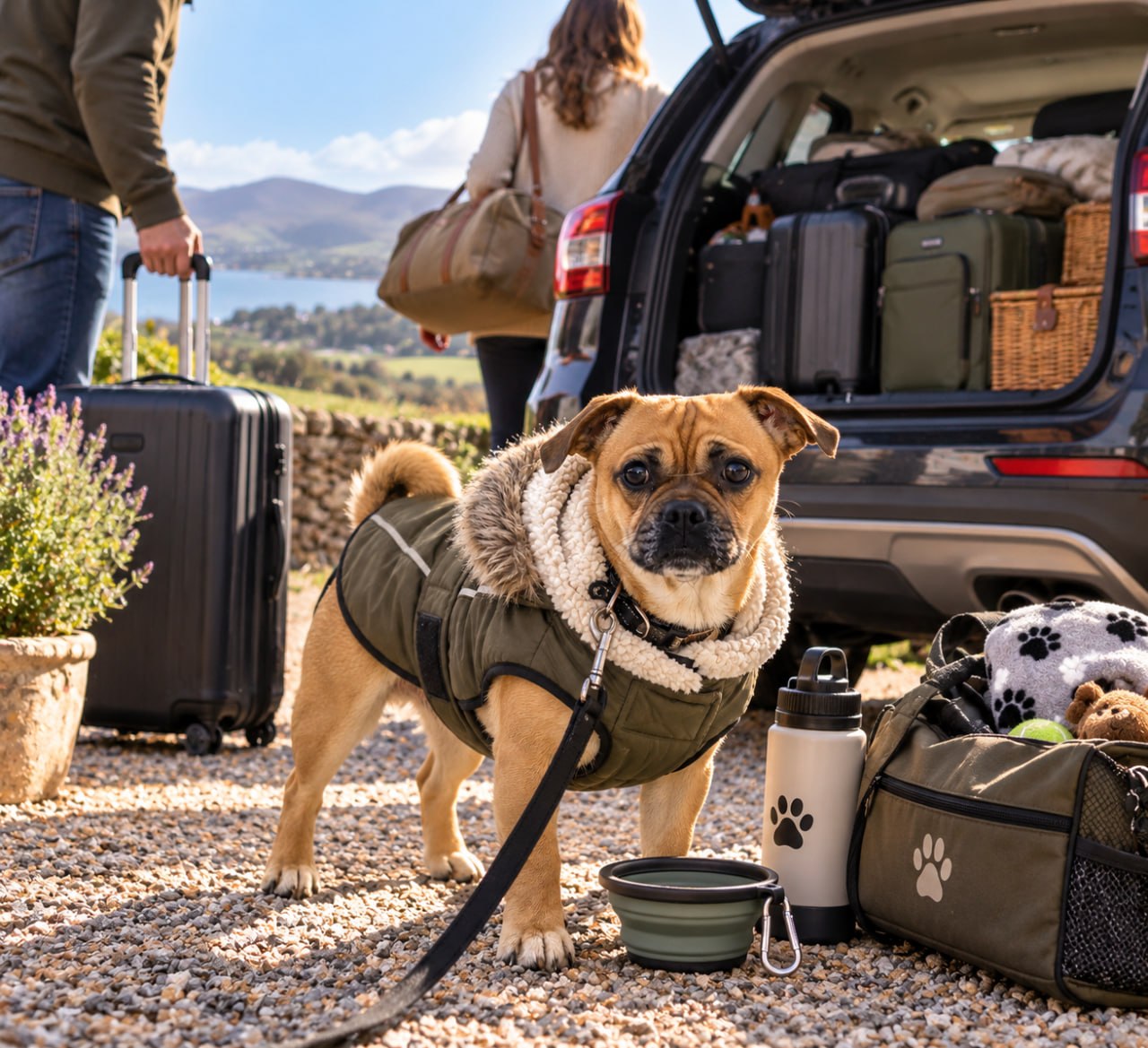
Essential Travel Equipment to Consider for Your Dog
For most dog owners, it’s sensible to start with a few practical travel essentials. These might include a suitable car restraint, a reliable lead, fresh water and a bowl, poo bags, and a towel. Keeping these items together in a travel bag makes them easier to find when you’re heading out.
Any additional equipment should depend on your dog’s individual needs and the journeys you regularly make. For example, a GPS tracker might be useful for some owners but unnecessary for others. Similarly, a travel crate may suit one dog, while another may be safely and comfortably secured using a different type of restraint.
The most expensive equipment isn’t necessarily the safest or most suitable. What matters is choosing products that are appropriate for your dog and how you travel.
A note about our product links
Some of the product links on our website may be affiliate links. If you choose to buy something through one of these links, The Doggie Addition may receive a small commission at no extra cost to you.
Affiliate commissions do not determine which products we recommend. Our priority is to provide useful, honest information and help you decide whether a product is genuinely worth buying. If we believe something is unnecessary, we’d rather explain that than encourage you to spend money.
Choose products that make travelling safer, easier or more comfortable for you and your dog. There’s no need to buy equipment you won’t use.