
PRODUCT GUIDES STAGE 01
Beds, Crates & Home Comforts
Somewhere comfortable to rest, sleep and simply switch off.
Dogs spend a lot of time resting.
Whether they curl themselves into the smallest possible ball, stretch out across half the room or somehow manage to occupy an entire sofa, having somewhere comfortable of their own can be an important part of everyday life.
But walk into a pet shop or start looking online and choosing a dog bed suddenly becomes surprisingly complicated.
Memory foam. Bolsters. Doughnuts. Mats. Waterproof beds. Orthopaedic beds. Cooling beds. Crate mats.
With so many options available, it helps to focus on what will actually make your dog comfortable.
Start with how your dog likes to sleep
Before choosing a bed, watch your dog.
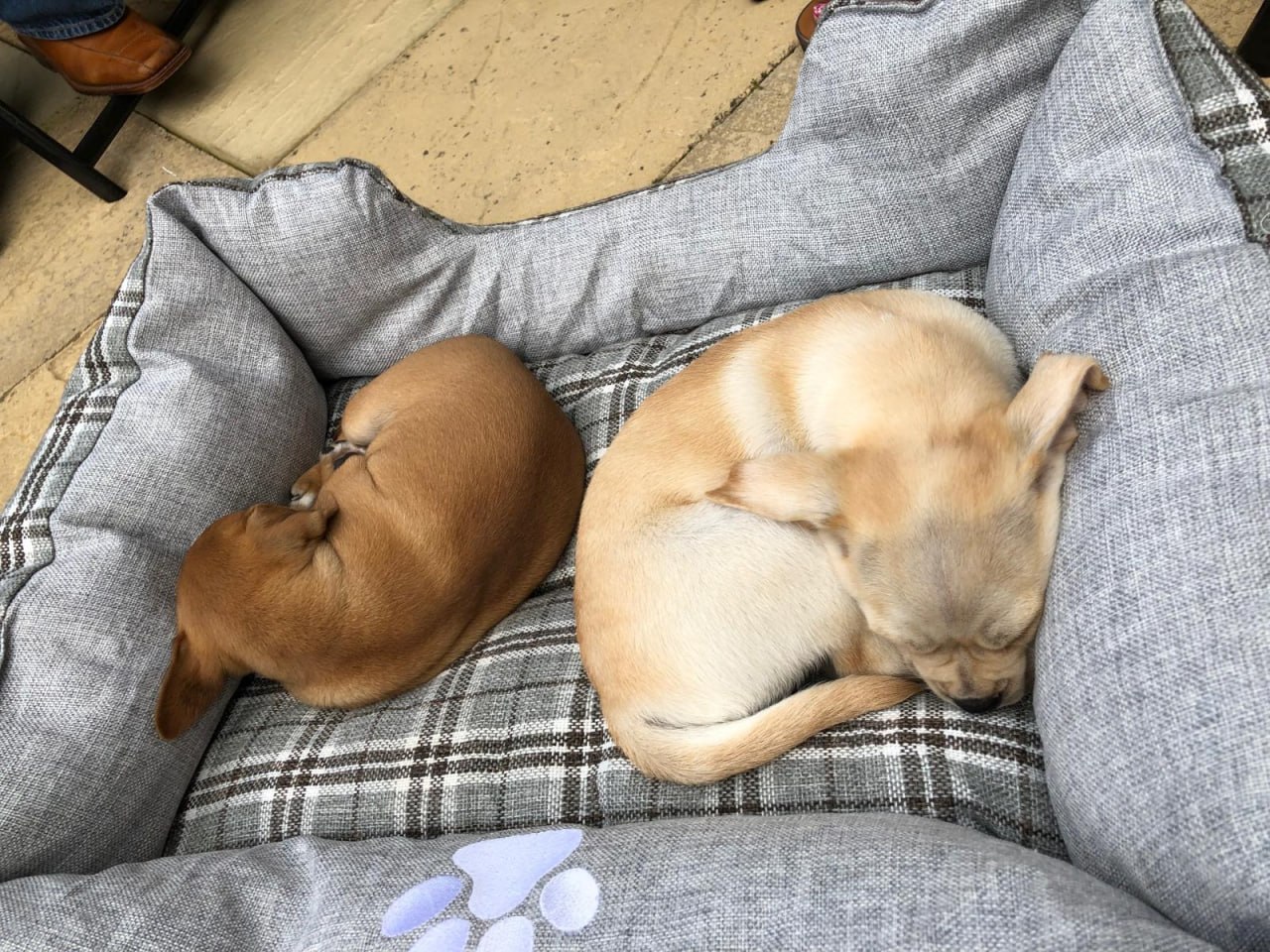
Some dogs curl tightly when they sleep and seem to enjoy having something around them. A bed with raised or supportive sides may suit them well.
Others stretch out at full length and need considerably more room than you might expect.
Some regularly change position, while others seek out cool floors or warm blankets depending on the weather.
There isn’t one style of bed that suits every dog.
The best choice is the bed that suits your dog’s sleeping habits, comfort and individual needs.

Getting the size right
Bed measurements can be misleading if you’re relying only on labels such as small, medium and large.
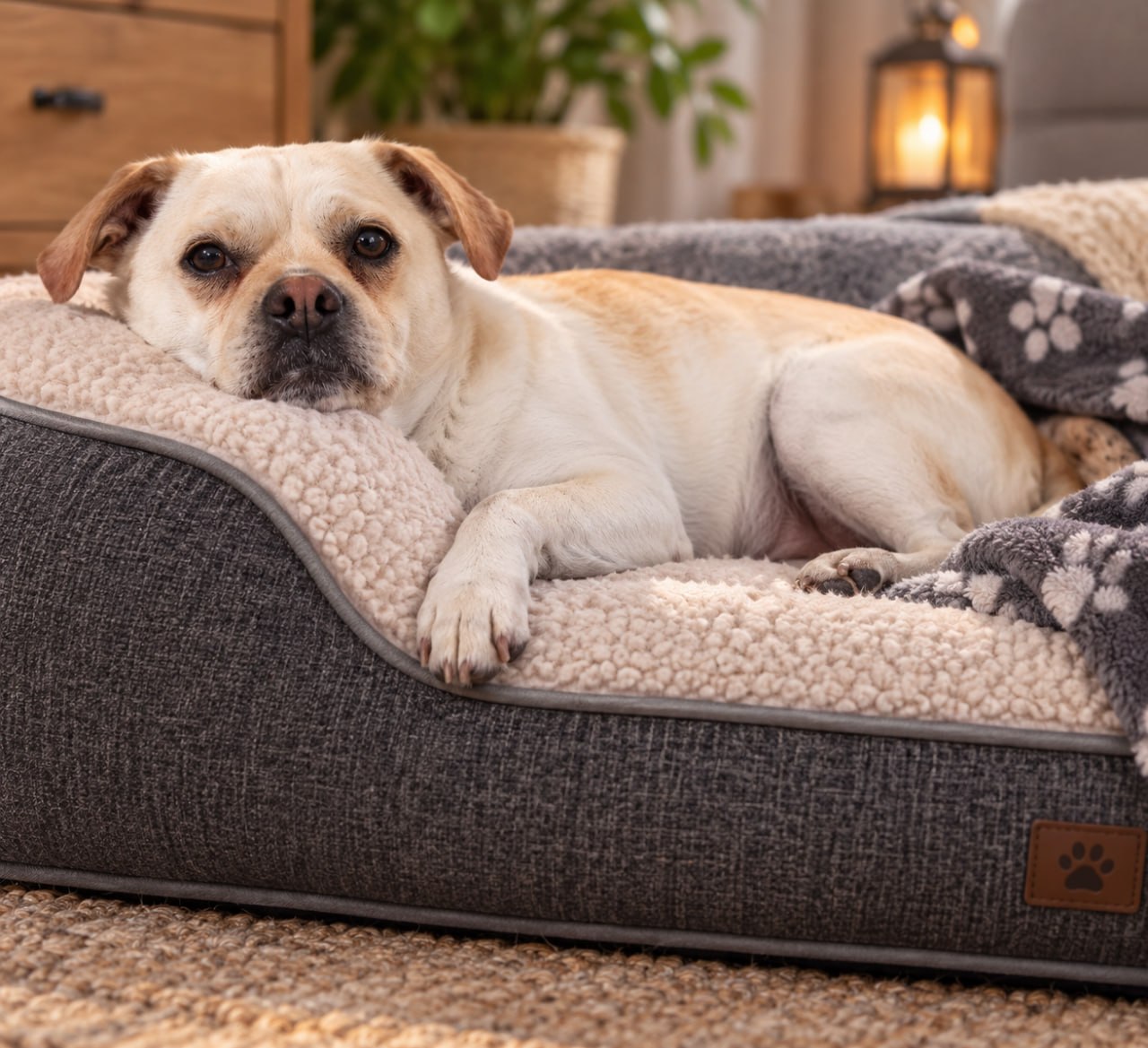
If possible, measure your dog while they’re comfortably lying down and allow enough additional room for them to change position and stretch.
Remember to look at the usable sleeping area, particularly with beds that have thick raised sides. The outside measurement may sound generous while the space inside is considerably smaller.
A bed doesn’t need to be enormous, but your dog shouldn’t have to fold themselves into it simply because the label says it’s their size.
What should you look for in a dog bed?
Comfort
Soft doesn’t automatically mean comfortable.
The amount and type of support your dog needs will depend on their size, sleeping style, age and individual needs.
A lightweight young dog may be perfectly happy on relatively simple bedding. A larger dog or one who benefits from additional support may be more comfortable with a deeper, supportive base.
Washability
This is considerably less exciting than choosing colours and fabrics, but it may become the feature you appreciate most.
Dogs bring home mud, hair, grass, sand and occasionally smells that appear to have been collected specifically to test your washing machine.
Removable, washable covers can make everyday life much easier.
Check the care instructions before buying, particularly if the whole bed cannot go into the washing machine.
Durability
No dog bed is indestructible.
If your dog scratches at bedding before settling, digs enthusiastically or is inclined to chew, delicate fabrics and exposed zips may not be the most practical choice.
For puppies especially, an expensive bed isn’t always the sensible starting point.
Sometimes the glamorous bed can wait until you’ve discovered whether your puppy considers bedding somewhere to sleep or an exciting new project in textile destruction.
Temperature
Thick, enclosed beds can feel wonderfully cosy in colder weather but may be too warm for some dogs at other times of year.
Likewise, dogs who naturally seek cool floors may prefer something less padded during warmer weather.
Having more than one resting option can allow your dog to choose what feels comfortable.

Puppies: don’t spend a fortune too soon
It’s very easy to buy the beautiful bed before your puppy arrives.
Then your puppy wees on it.
Or chews it.
Or ignores it completely and falls asleep with their head underneath the kitchen chair.
Puppies grow quickly, and their sleeping preferences may change as they settle into your home.
Start with something safe, comfortable, washable and appropriate for their current size.
You can always upgrade later.
The most expensive bed in the shop is not a puppy essential.
Older dogs and dogs who need more support
As dogs get older, getting comfortable can become more important.
A supportive bed with enough space to change position and an entrance that doesn’t require climbing over a high edge may be easier for some older dogs to use.
Non-slip backing can also be useful where beds sit on smooth floors.
If your dog appears uncomfortable when lying down or getting up, suddenly changes where or how they sleep, or seems reluctant to use a bed they previously enjoyed, don’t assume buying a different bed will solve the problem.
Pain and mobility changes deserve veterinary attention.
A better bed can support comfort, but it isn’t a substitute for finding out why your dog is uncomfortable.
Where should the bed go?
The perfect bed in the wrong place may remain completely unused.
Many dogs like resting somewhere they can feel part of family life without constantly being disturbed.
Think about draughts, radiators, direct sunlight, busy walkways and whether children or other pets regularly pass close by.
Some dogs benefit from having more than one resting place around the home.
One might be somewhere quiet for proper sleep, while another allows them to relax near the family.
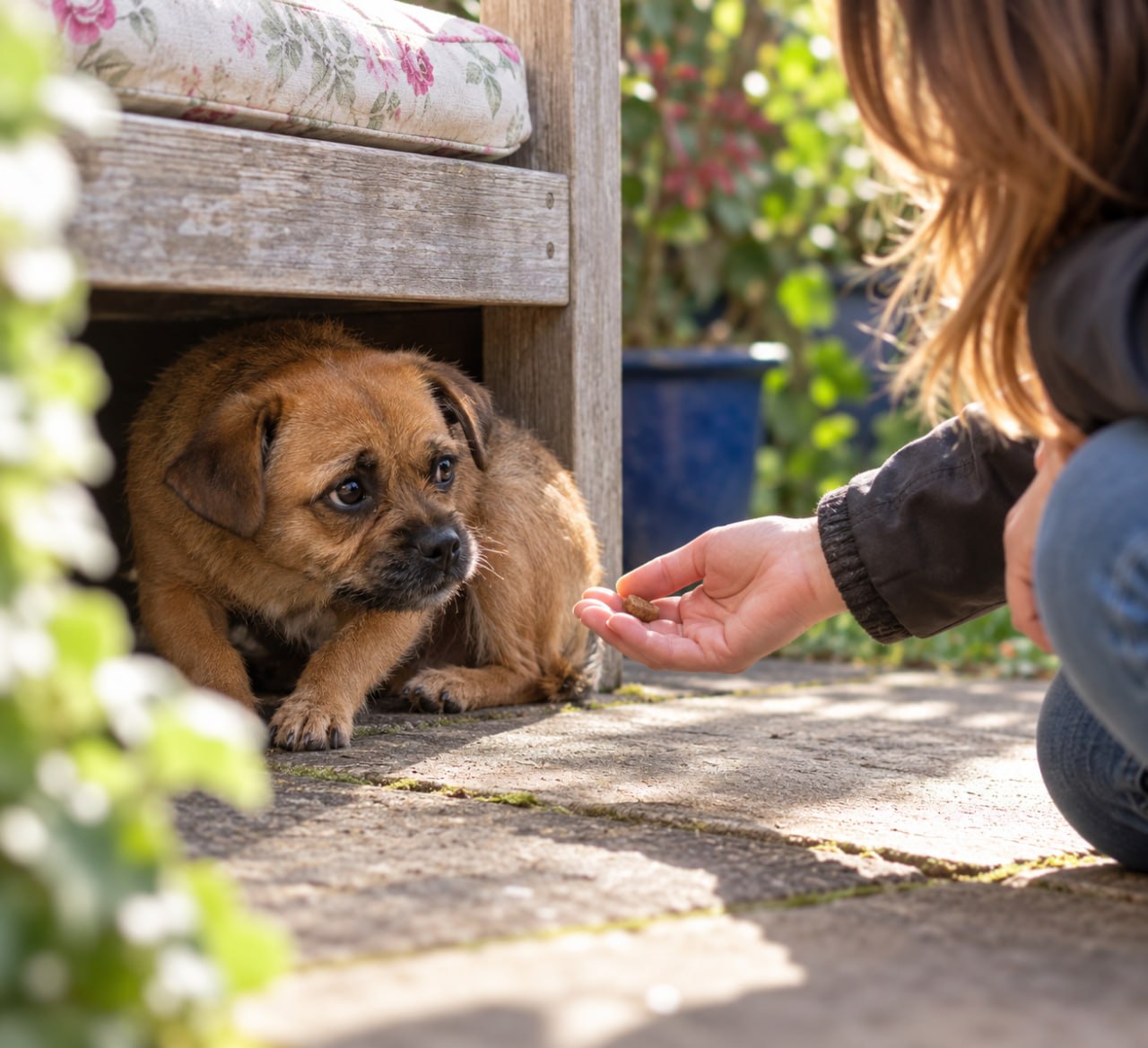
And if your dog repeatedly chooses a different safe place to sleep, they may be telling you something about the location you’ve chosen.
Crates: a useful space, not a punishment
A crate can be useful for some dogs and households, particularly during puppyhood, travel or periods when sensible management is needed.
But a crate should never be used simply as somewhere to shut a dog away because their behaviour is inconvenient.
If you’re using one at home, introduce it gradually and positively.
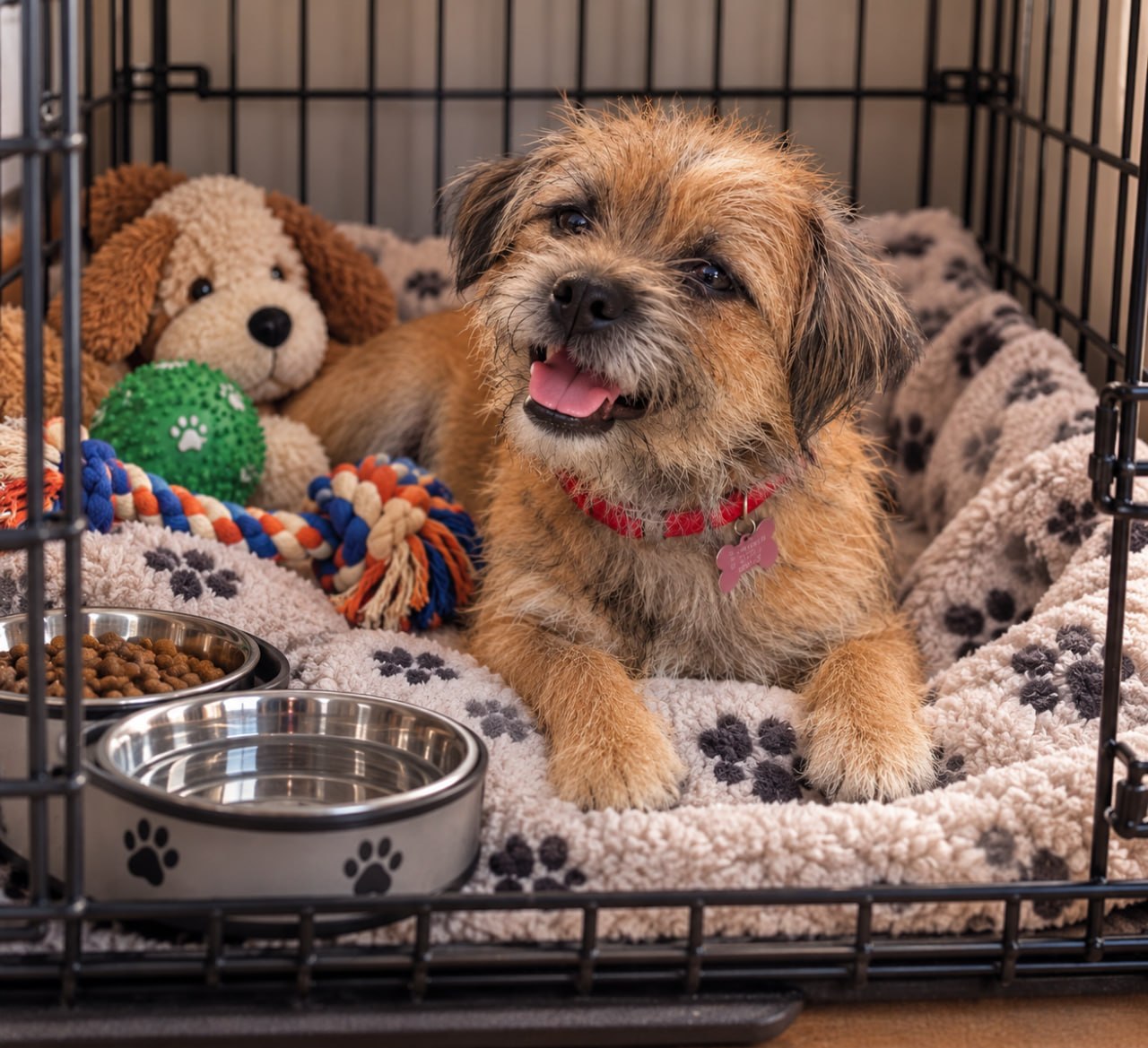
The dog should have enough room to stand normally, turn around and lie comfortably.
Suitable bedding can make the space more inviting, provided it is safe for that particular dog and they aren’t likely to chew or swallow it.
Crate doors don’t need to remain closed simply because a crate exists. Many dogs use an open crate as another resting place.
The aim is somewhere your dog can feel comfortable, not somewhere they’re afraid of being put.
Blankets, mats and the simple things
Not every comfortable resting place needs to cost a fortune.
Washable blankets and simple mats can be extremely useful around the home, in the car or when visiting somewhere unfamiliar.
A familiar blanket can also bring a recognisable smell into a new environment.
Mats have another useful role. A portable mat can become a familiar place to settle during training, at a café, on holiday or when visiting friends and family.
Sometimes the least complicated item becomes one of the things you use most.
Do you need an orthopaedic bed?
The word “orthopaedic” appears on plenty of dog beds, but the label alone doesn’t tell you whether a bed will suit your dog.
Look beyond the marketing language.
Consider the depth and firmness of the support, whether it retains its shape, how easily your dog can get on and off it, whether the sleeping area is large enough and whether the cover can be cleaned.
For a dog with an existing joint, mobility or medical problem, your vet may be able to help you think about their individual comfort needs.
Buy the features your dog needs, not the label you think you’re supposed to buy.
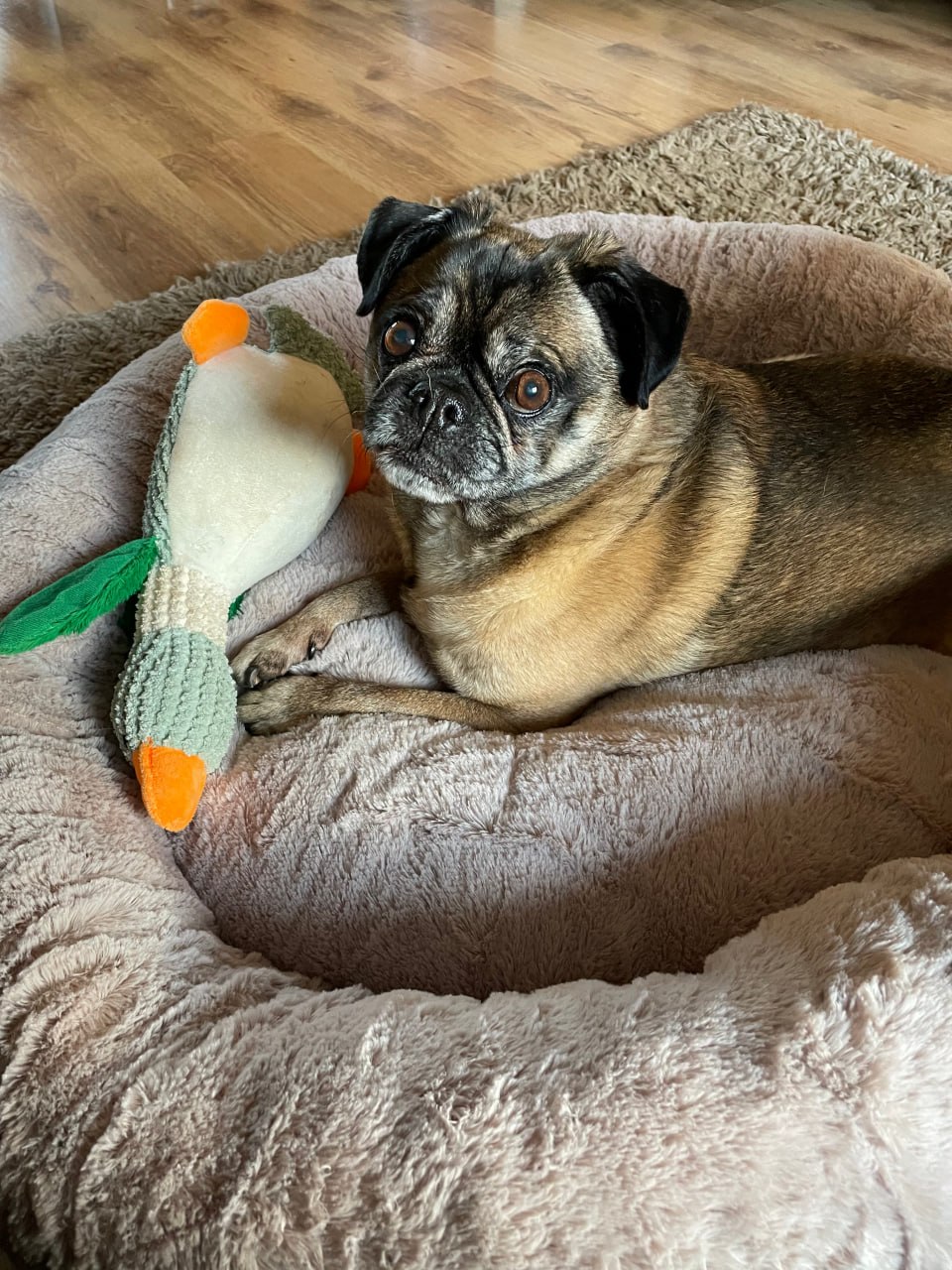
A quick bed-buying checklist
Before buying, ask yourself:
Is the usable sleeping area large enough for my dog?
Does the style suit the way they actually sleep?
Can I clean it easily?
Is the fabric suitable for how my dog uses their bed?
Can my dog get on and off it comfortably?
Will it be too warm or too cool for where it will be used?
Is it going somewhere my dog is likely to choose to rest?
Am I paying more for a useful feature, or simply for clever marketing?
If those answers make sense, you’re already much closer to choosing well.
What we’d spend money on
There are areas where paying a little more can genuinely be worthwhile.
A durable washable cover, a supportive base that doesn’t flatten immediately, sensible construction and replacement covers can all extend the useful life of a bed.
But price alone isn’t evidence of quality.
And there are plenty of situations where simple, inexpensive bedding is exactly what’s needed.
When we recommend beds and home-comfort products in our guides, we’ll explain why we’ve included them and what type of dog or household they may suit.
We won’t simply point to the most expensive option.
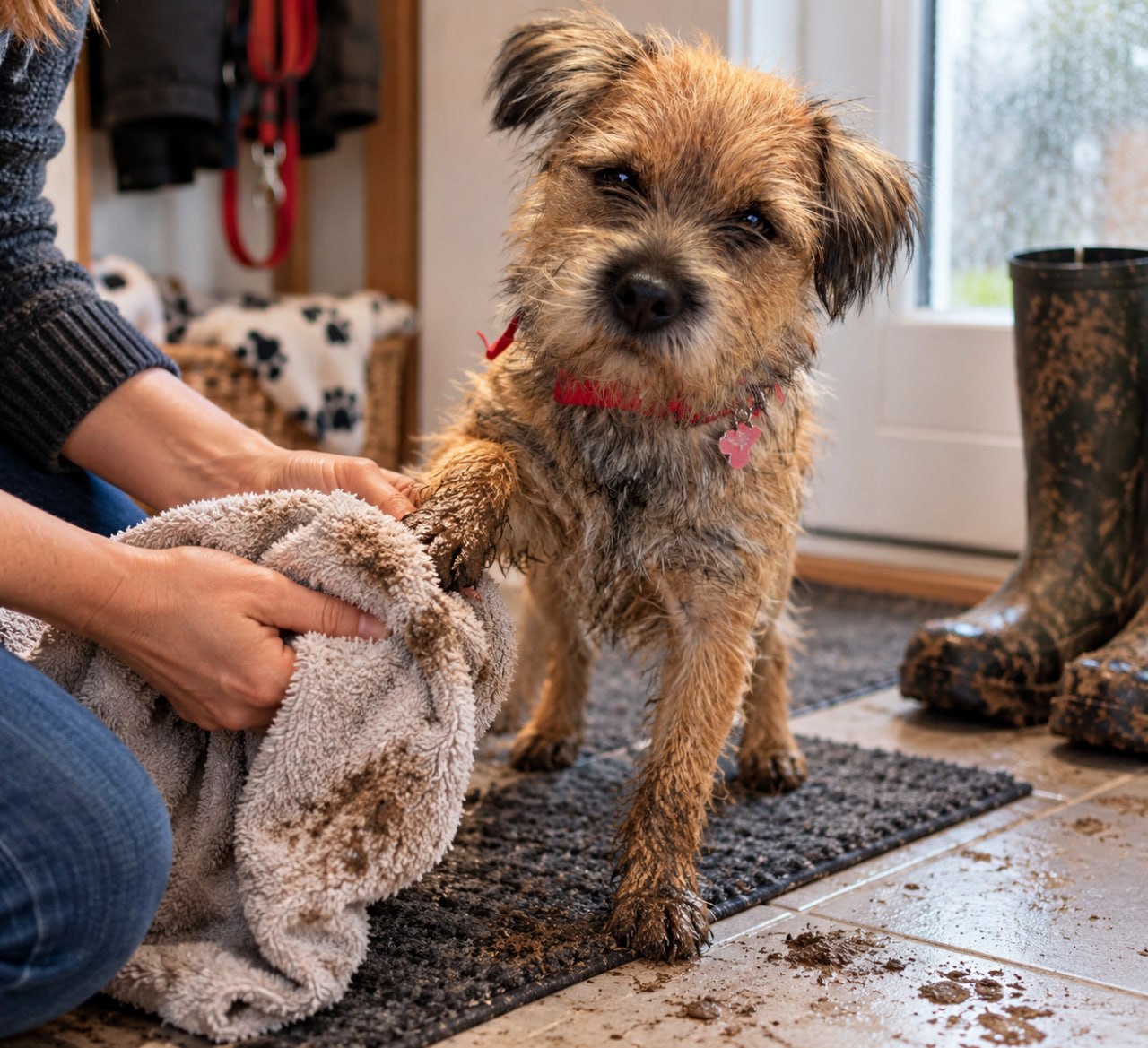
Our product picks
As our Product Guides grow, this is where we’ll bring together selected beds, crate accessories and home-comfort products that offer useful features for different dogs and households.
Rather than declaring one product “the best dog bed”, we’ll look for options such as:
Good everyday choice
Practical, washable and suitable for ordinary day-to-day use.
Worth considering for additional support
Products offering features that may suit dogs who benefit from a more supportive sleeping surface.
Good for puppies and messy households
Easy-clean, practical options where spending a fortune may not make sense.
Useful for crates and travel
Mats and bedding that are practical when space and portability matter.
Where a link is an affiliate link, we’ll make that clear.
And if a perfectly sensible non-affiliate option is the better recommendation, that’s the one we’d rather tell you about.
Before buying another bed…
Have a look at the one your dog already has.
If they love it, ask yourself what it gets right.
If they avoid it, think about why.
Sometimes the answer isn’t a more expensive bed.
It might simply be a different size, a cooler fabric, a quieter location or a little more room to stretch.
The goal isn’t to find the bed with the best advertising. It’s to find somewhere your dog genuinely wants to rest.