Care & Wellbeing · Stage 04
Grooming, Teeth, Skin & Coat
Regular grooming helps you care for your dog and spot changes early.
Grooming isn’t only about making your dog look presentable.
Yes, it’s nice when they smell less like something they’ve enthusiastically rolled in.
But regular grooming and everyday body care also give you a chance to notice your dog’s skin, coat, teeth, ears, paws and nails.
You begin to learn what is normal for them.
How their coat usually feels.
What their skin normally looks like.
How quickly their nails grow.
What their ears usually smell like.
What their teeth and gums look like when everything seems well.
And because you’re paying attention regularly, you’re more likely to notice when something changes.
The aim isn’t to turn bath time into a medical examination.
It’s simply another part of knowing your dog.
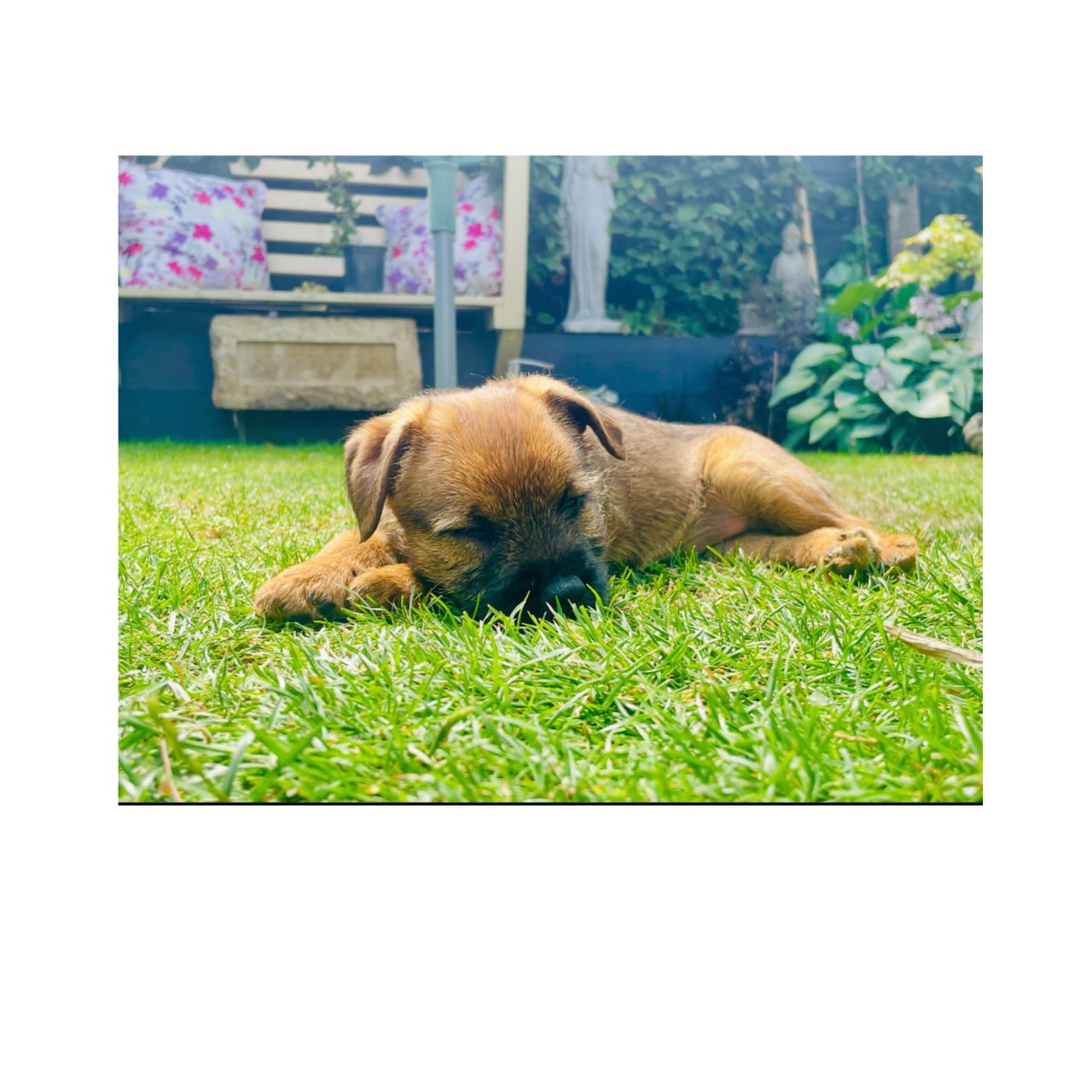
Every dog has different grooming needs
Some dogs can get away with a fairly simple grooming routine.
Others appear to have made coat maintenance their full-time occupation.
What your dog needs will depend on things such as their coat type, length and texture, how much they shed, their lifestyle and whether they’re particularly talented at finding mud.
A short-coated dog may need relatively little brushing.
Longer, curly, woolly or double coats can require much more regular attention to prevent tangles and matting and to keep the coat comfortable.
Some dogs will also need professional grooming.
If you’re unsure what your dog’s particular coat needs, ask a reputable groomer or your veterinary team for advice.
The important thing is not to follow someone else’s grooming schedule just because their dog looks similar to yours. Choose a grooming routine that suits your dog’s coat type and individual needs.
Help your dog feel comfortable with grooming
A dog doesn’t automatically understand why you’ve suddenly decided to hold their paw, inspect their ears or approach them with a brush.
For some dogs, handling comes easily.
Others need time.
Start gently.
Let your dog investigate brushes and grooming equipment. Introduce touching and handling in short, comfortable sessions and reward calm cooperation.
You can gradually help them become comfortable with having their:
- paws touched
- ears looked at
- mouth and teeth checked
- coat brushed
- legs and body handled
- tail area checked
You don’t have to do everything at once.
A few calm seconds that end well can be far more useful than wrestling your way through a full grooming session that leaves everybody dreading the next one.
And if your dog suddenly becomes uncomfortable with handling they previously tolerated, don’t simply assume they’re being difficult.
Pain or discomfort can change how a dog responds to being touched.
Brushing and coat care
Brushing helps remove loose hair and dirt, but depending on the coat it can also help prevent tangles and matting.
It’s also an excellent opportunity to get your hands on your dog and notice what’s underneath all that fluff.
As you groom, you might notice:
- lumps or bumps
- sore or reddened areas
- scabs
- flaky skin
- bald or thinning patches
- parasites or signs of them
- unusual smells
- areas your dog suddenly doesn’t want touched
Not every tiny lump or mark means something is seriously wrong.
But something new, changing, persistent or uncomfortable is worth paying attention to.
If you’re concerned, let your vet decide what it means rather than trying to diagnose it from photographs online.
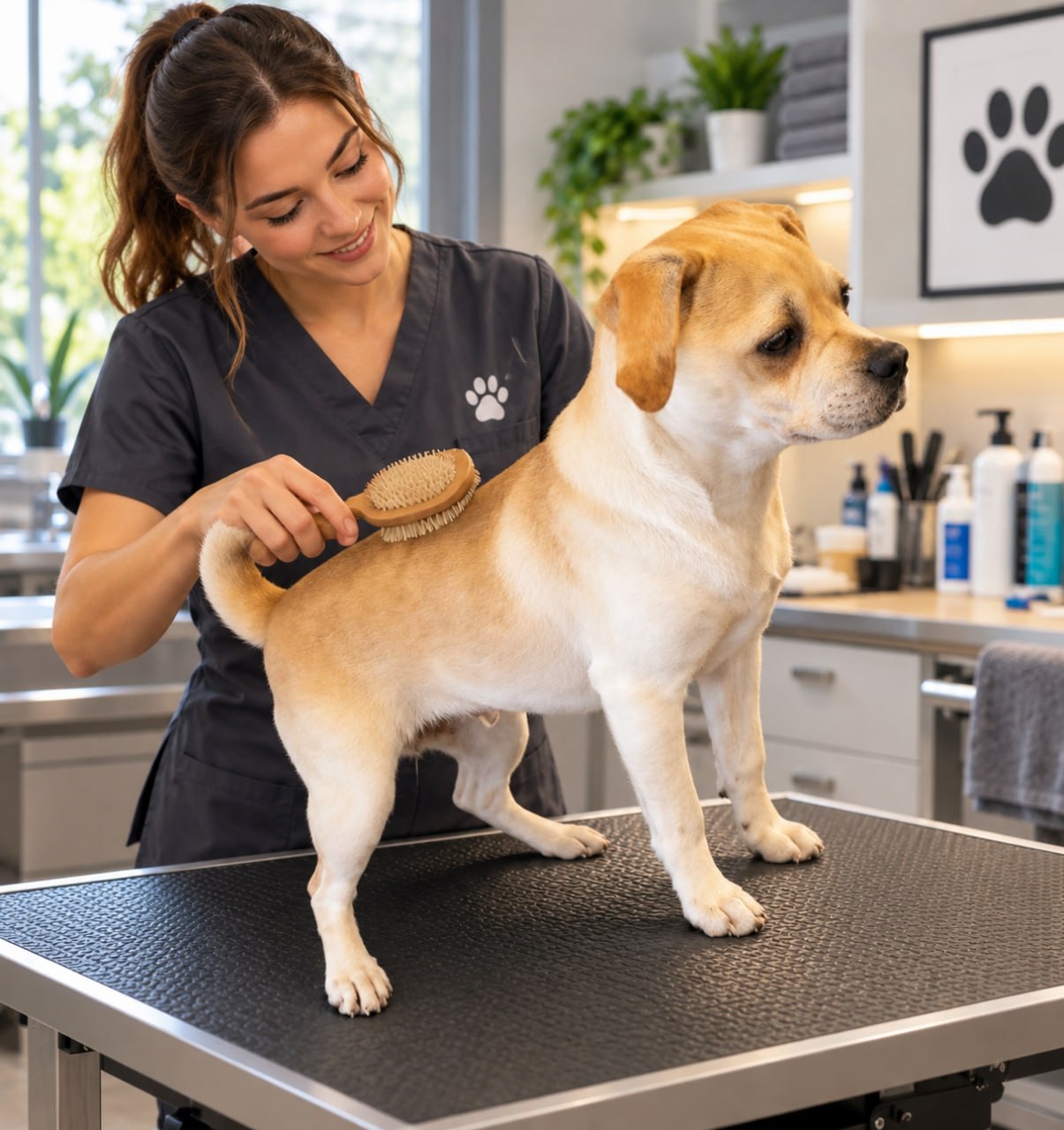
Why matted fur can be painful for your dog
Matted fur can pull tightly against the skin and become uncomfortable or painful.
Moisture and dirt can also become trapped underneath, making it harder to see what’s happening to the skin below.
Areas where fur rubs or moves frequently can be particularly prone to tangling, including behind the ears, around collars or harnesses, under the legs and around the feet.
Regular appropriate grooming can help prevent small tangles becoming a much bigger problem.
If your dog’s coat is already badly matted, don’t attack it with scissors.
Skin can be pulled up into a mat and accidentally cut.
A professional groomer or veterinary team can advise on the safest and kindest way to deal with it.
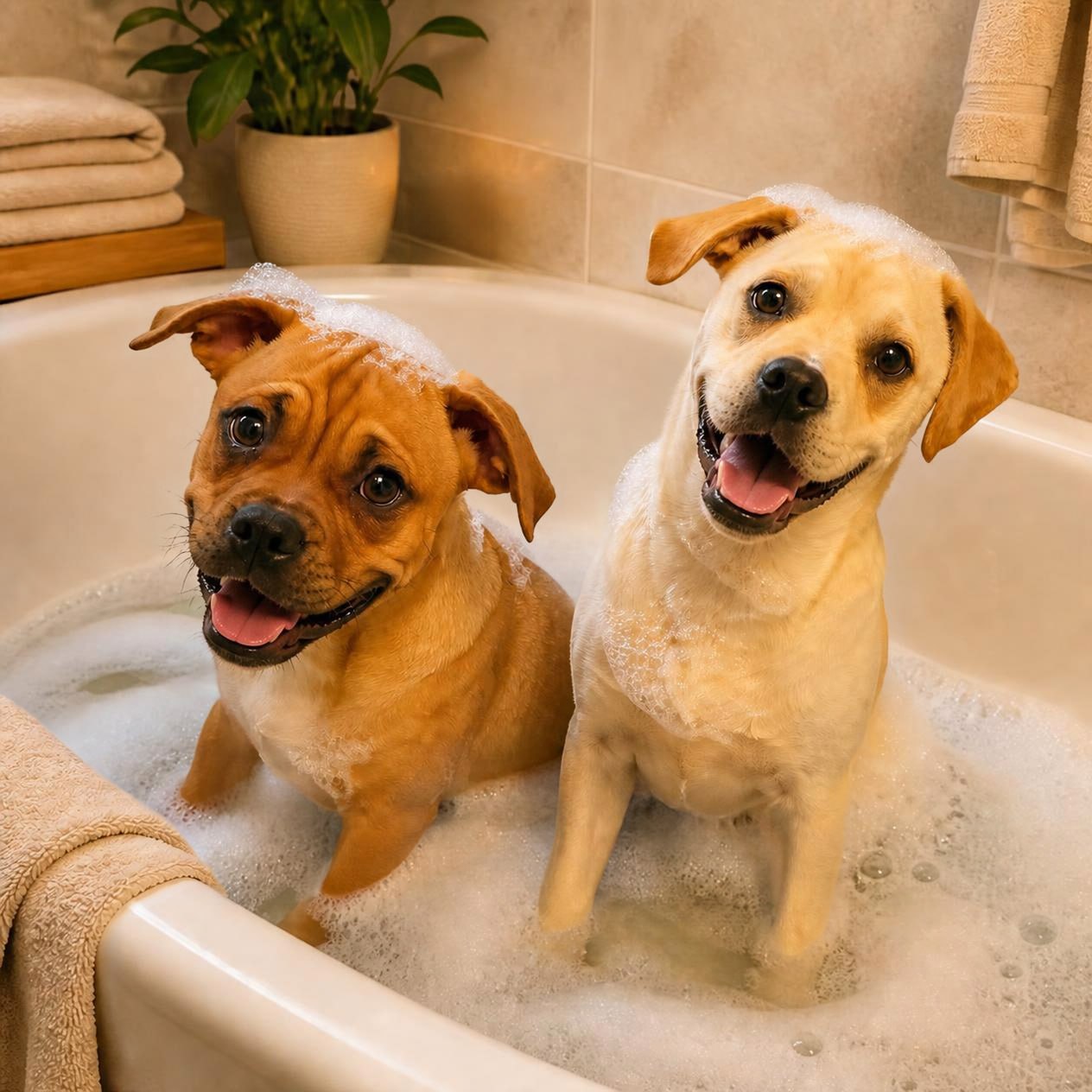
Bath time
Most dogs don’t need to smell like tropical coconut at all times.
In fact, bathing more often isn’t necessarily better.
How often your dog needs a bath depends on their coat, lifestyle, skin and whether they’ve just discovered something unspeakable in a field.
When they do need washing, use a product intended for dogs rather than human shampoo.
Dog skin is different from ours, and products designed for people may not be appropriate for them.
Rinse thoroughly and dry your dog appropriately for their coat and the weather.
If you find yourself repeatedly bathing your dog because their skin is greasy, itchy, flaky, sore or unusually smelly, it’s worth speaking to your vet.
Skin: itching deserves attention too
Every dog has a scratch occasionally.
It’s when scratching, licking, chewing or rubbing becomes frequent or persistent that it’s worth looking more closely.
Skin problems can have many possible causes, which is precisely why guessing the cause isn’t particularly helpful.
Keep an eye out for changes such as:
- persistent scratching or licking
- redness or inflammation
- hair loss
- broken or sore skin
- recurring scabs
- flaky or unusually greasy skin
- swelling
- an unusual or strong smell
- repeated ear or paw irritation
If your dog is uncomfortable, the problem keeps returning, or you’re seeing noticeable changes to their skin or coat, speak to your vet.
You don’t need to know what’s causing it before you ask for help.
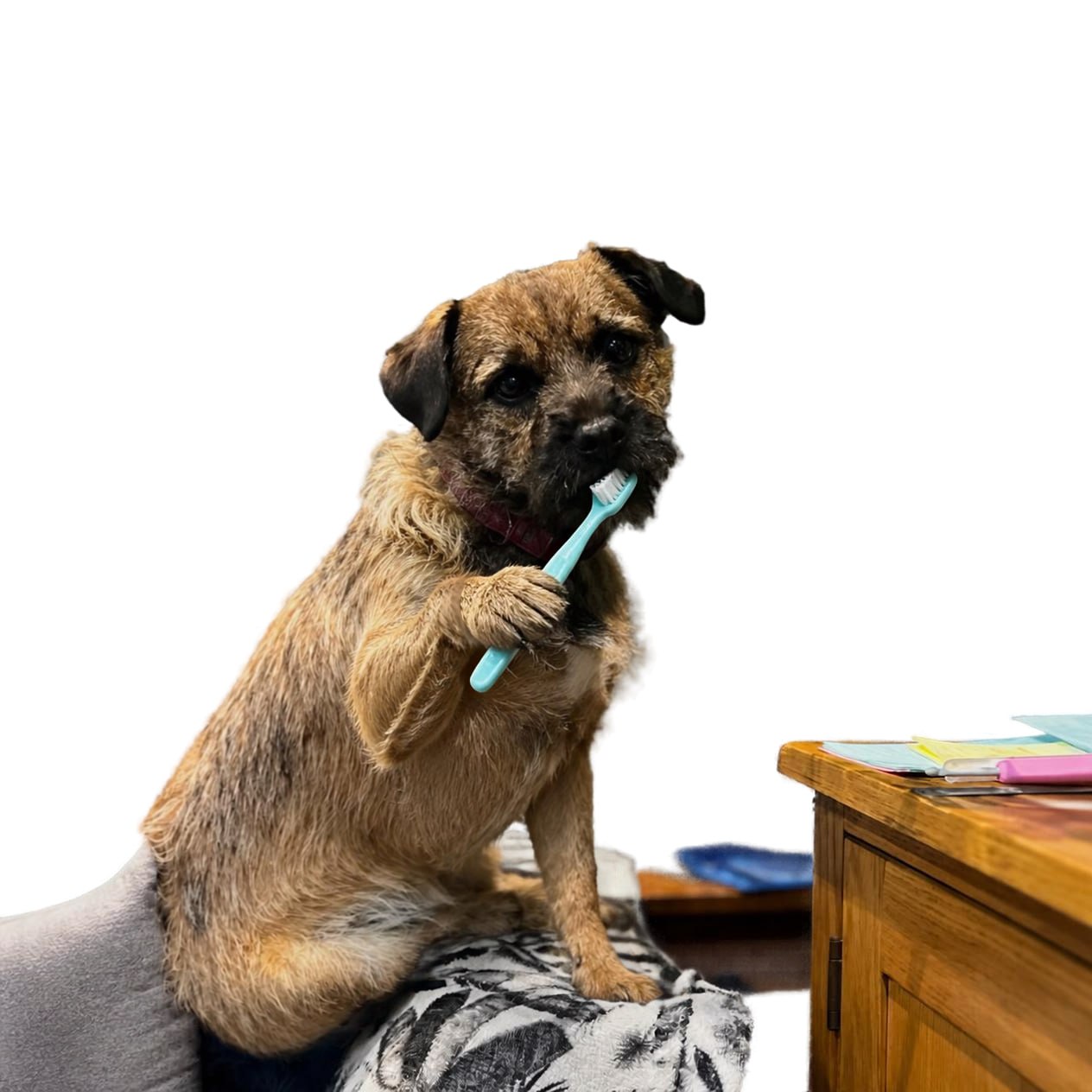
Teeth and gums
Dental care can be very easy to forget.
Mostly because your dog’s teeth are conveniently stored inside their mouth where you don’t have to look at them.
But dental health matters.
Plaque can build up on teeth and eventually contribute to dental disease, discomfort and infection.
Regular tooth brushing is one of the most useful things you can introduce.
The trick is not waiting until your dog is five years old and then suddenly arriving with a toothbrush and enormous enthusiasm.
Start gradually.
Let your dog become comfortable with their mouth being handled first. Then introduce dog-safe toothpaste and a suitable toothbrush slowly and positively.
Never use human toothpaste. Some ingredients used in products made for people are unsuitable or potentially harmful to dogs.
If your dog isn’t used to tooth brushing yet, don’t worry about achieving a perfect two-minute brushing routine on Day One.
Build it up.
A tiny successful step is still progress.
What should you notice in your dog’s mouth?
Getting familiar with your dog’s mouth can make changes easier to spot.
Look out for things such as:
- persistent bad breath
- red, swollen or bleeding gums
- heavy tartar build-up
- loose, damaged or missing teeth
- difficulty eating or chewing
- dropping food
- pawing at the mouth
- excessive drooling
- swelling around the mouth or face
- suddenly avoiding hard food or chews
Bad breath isn’t always simply “dog breath”.
If something looks painful, smells markedly different, or your dog’s eating behaviour changes, speak to your vet.
And don’t try to scrape tartar from your dog’s teeth yourself.
Dental problems can extend below the gum line where you can’t see them.
What about dental chews?
Dental chews can be a useful addition to your dog’s dental-care routine. Some are designed to help reduce plaque and tartar buildup through chewing, although their effectiveness varies between products.
Dental chews can be a useful part of your dog’s dental-care routine, but they shouldn’t replace regular toothbrushing. Where possible, brush your dog’s teeth regularly, check their mouth for any changes, and seek veterinary advice if you notice anything concerning.
Choose dental chews that are appropriate for your dog’s size and chewing habits, follow the manufacturer’s guidance and remember to include them in your dog’s daily food allowance.
Regularly checking your dog’s teeth and gums will also help you notice changes, such as redness, swelling, bad breath or signs of discomfort.
Nails and paws
Nails need regular attention too.
How quickly they wear down naturally varies between dogs.
A dog walking regularly on harder surfaces may wear their nails differently from a dog mostly exercising on grass and softer ground.
Dewclaws are the small extra claws found higher up on the inside of your dog’s legs, usually just above the front paws. Because they may not touch the ground, they often need checking and trimming regularly.
If nails become too long they can affect comfort and movement, and badly overgrown nails can cause problems.
Check paws at the same time.
Look between toes and around pads for anything unusual, particularly after walks where your dog has been through long grass, mud, grit or rough ground.
If you’re not confident trimming nails yourself, that’s absolutely fine.
A veterinary nurse, vet or experienced dog groomer can help, and they can show you how to do it safely if you’d like to learn.
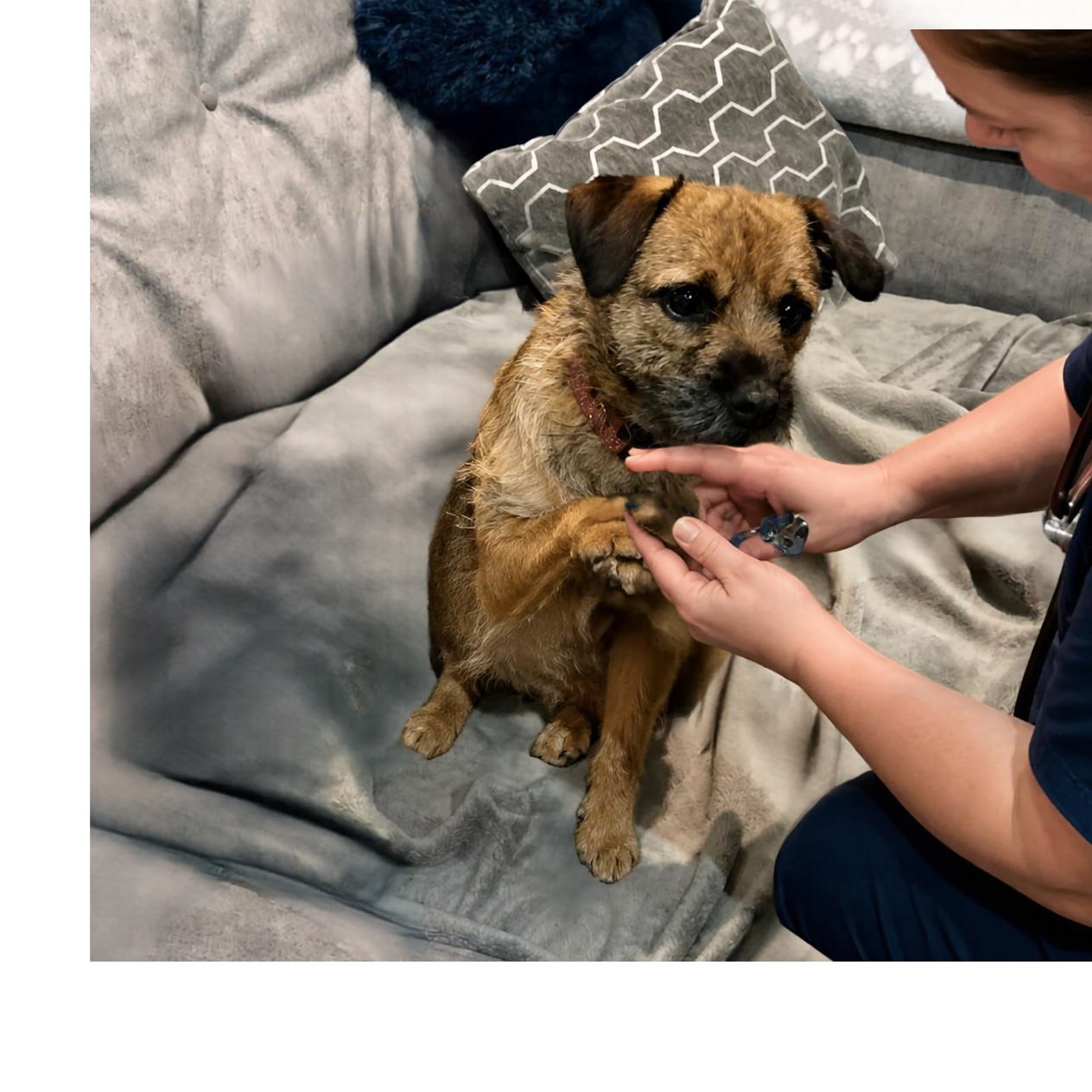
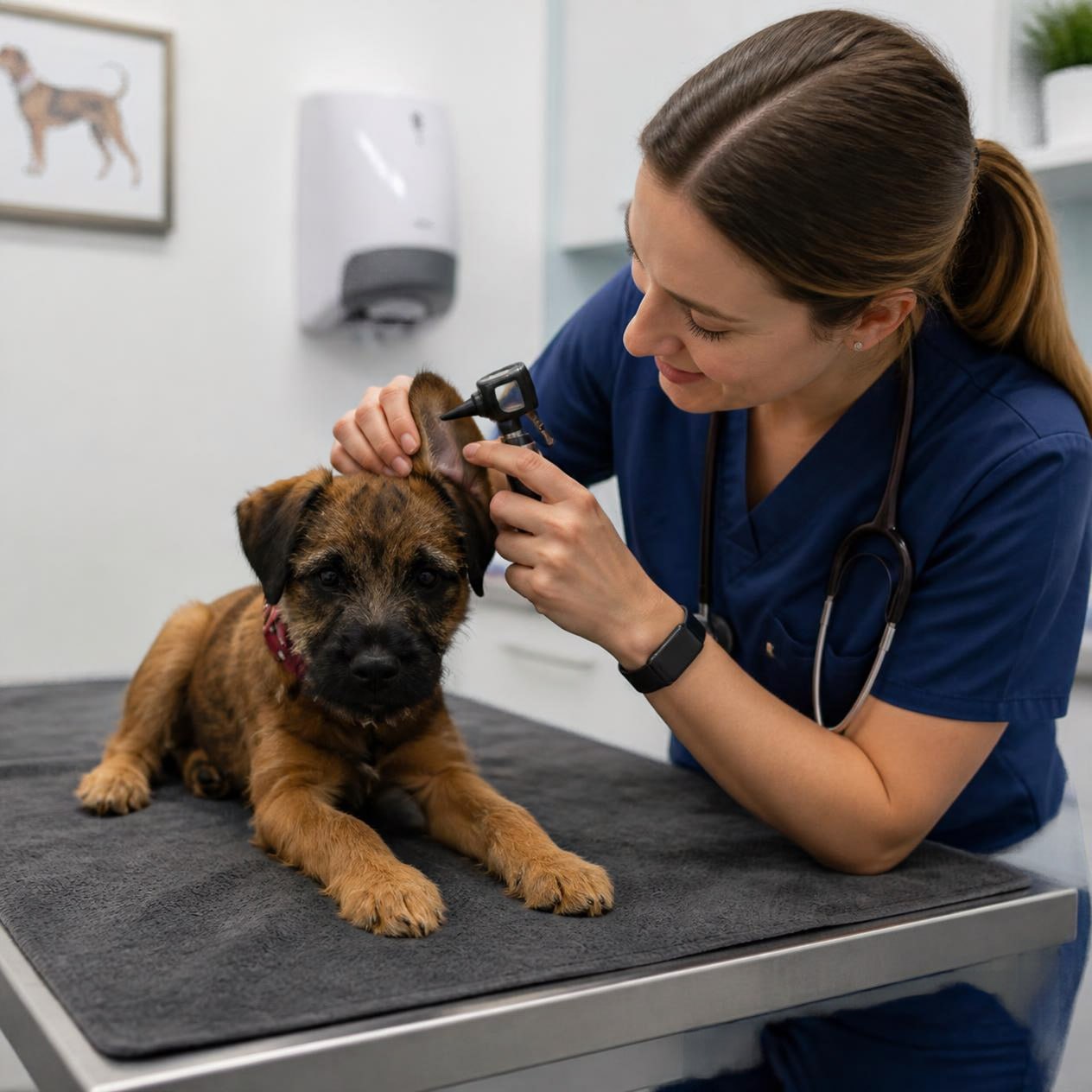
How to check and care for your dog’s ears
Get to know what your dog’s ears normally look and smell like.
Different dogs have different ears, and some may need more routine attention than others.
What you don’t need to do is repeatedly clean perfectly healthy ears simply because you feel you ought to be doing something.
Watch instead for changes such as redness, swelling, discharge, a noticeably unpleasant smell, frequent scratching or repeated head shaking.
If your dog seems uncomfortable or you’re concerned about what you’re seeing, speak to your vet before repeatedly adding cleaners or home remedies.
Never insert cotton buds into your dog’s ear canal, as they can push debris further inside and may damage the delicate structures of the ear.
Professional grooming
For some dogs, professional grooming is an occasional convenience.
For others, it’s an important part of maintaining their coat and comfort.
A good groomer isn’t simply somebody who can make your dog look beautiful.
They should handle dogs calmly and kindly, understand different coat types and be willing to talk to you about what your dog needs between appointments.
Tell them about anything relevant before the appointment, particularly if your dog is nervous, has sore areas, dislikes particular handling or has a medical condition that could affect grooming.
Regular grooming appointments can help keep your dog’s coat in good condition, but it’s also important to maintain their coat between visits. Your groomer can advise you on the brushing and home care that best suits your dog’s coat type.
Little checks add up
Grooming doesn’t need to become another enormous dog owner job.
Brush your dog’s coat when it needs brushing, check their paws and nails, get familiar with their ears, skin, teeth and gums, and introduce handling gradually. Pay attention to changes and ask for veterinary advice if something concerns you.
Some of these tasks will become part of your regular routine, while others will depend on your dog’s individual needs.
And yes, there will probably be mud. There may be hair on absolutely everything you own, and at some point you may find yourself discussing the condition of your dog’s gums with considerably more enthusiasm than you ever expected.
That’s dog ownership.
But underneath all the brushing, wiping, clipping and occasional bath-time betrayal is something much more useful: you’re becoming more familiar with your dog’s health and everyday needs.