
New to Dogs · Stage 04
The First Days at Home
A calm starting place for settling in together and finding your everyday rhythm.
Areas to explore
Use these starting points as you explore your options.
Arrival and settling in
A gentle routine
Getting to know each other
Questions to note

Arrival and settling in
The first few days aren’t about getting everything right. They’re about getting to know each other.
Bringing your dog home is exciting, but for them it can also be a lot to take in.
New people. New smells. New sounds. New rooms. New rules they don’t know yet.
Give them time to explore at their own pace and try to keep their world fairly manageable at first. They don’t need to meet everybody, visit everywhere or experience everything in their first few days.
Sometimes the kindest welcome is simply a quiet one.
Let them settle at their own pace
Some dogs will investigate their new home immediately. Others may be quieter, cautious or simply exhausted.
Neither response tells you what your dog will eventually be like.
Give them access to the areas you’ve prepared, show them where they can find water and somewhere to rest, and allow them to start learning the sights, sounds and smells of home without too much pressure.
You have plenty of time to build a life together. You don’t have to fit it all into Day One.
A gentle routine
Dogs often benefit from some predictability, but that doesn’t mean you need a minute-by-minute timetable pinned to the fridge.
Start with a few simple building blocks:
- toilet opportunities
- food
- interaction and play
- rest
- short periods of calm learning
As you get to know your dog, their routine can begin to develop around what actually works for them and for your household.
Toilet training
Toilet training is much easier when you think about giving your dog plenty of opportunities to get it right rather than waiting for them to get it wrong.
Take them out regularly and at the times you begin to notice they are most likely to need to go. When they toilet in the appropriate place, reward and praise them calmly.
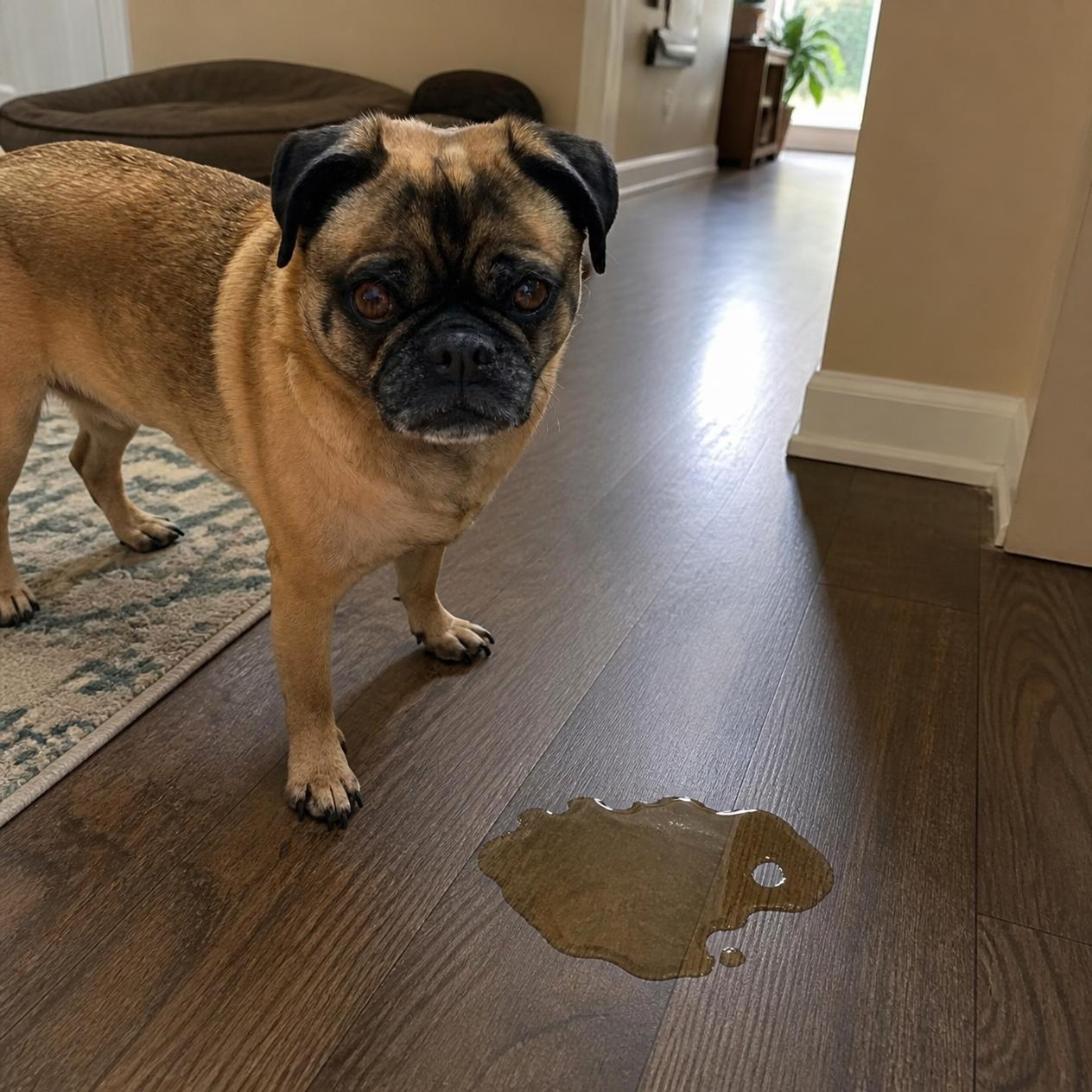
And when accidents happen, because they probably will, clean them up without punishment or drama.
Your dog isn’t having an accident to annoy you. They’re still learning where they’re supposed to go.
Over time, you’ll start noticing your dog’s own pattern, which is much more useful than trying to force every dog into the same universal timetable.
PRACTICAL RESOURCE
TOILET PATTERN TRACKER
Spot your dog’s routine and make toilet trips easier to anticipate
When you’re toilet training a puppy or helping a new dog settle in, it can be surprisingly difficult to remember exactly when they last went and what was happening beforehand.
Our printable Toilet Pattern Tracker helps you record your dog’s toilet trips for a few days, then look for patterns in when they need to go, the signals they give and when accidents tend to happen.
Use the daily record for as many days as you need, then use the second page to help work out your dog’s developing routine.
DOWNLOAD & PRINT YOUR TOILET PATTERN TRACKER

Rest matters too
It can be tempting to spend every waking minute playing with, training or watching your new arrival.
But puppies need plenty of rest, and even an adult dog settling into a new home can benefit from quiet time away from all the excitement.
Give them opportunities to switch off and sleep without constantly being disturbed.
Training doesn’t need to become a formal lesson every time either. Some of the most useful early learning happens naturally during ordinary life.
Reward the things you want to see more of and keep early learning positive and short.
Little and often beats trying to teach everything at once.
Getting to know each other
The first days aren’t only about your dog learning how your home works.
You’re learning about them too.
You’re beginning to notice what excites them, what worries them, when they’re tired, what helps them settle and which things make those little ears suddenly stop working altogether.
Biting and chewing
Puppy mouthing and chewing can be completely normal, although that doesn’t make it particularly enjoyable when you’re the thing being chewed.
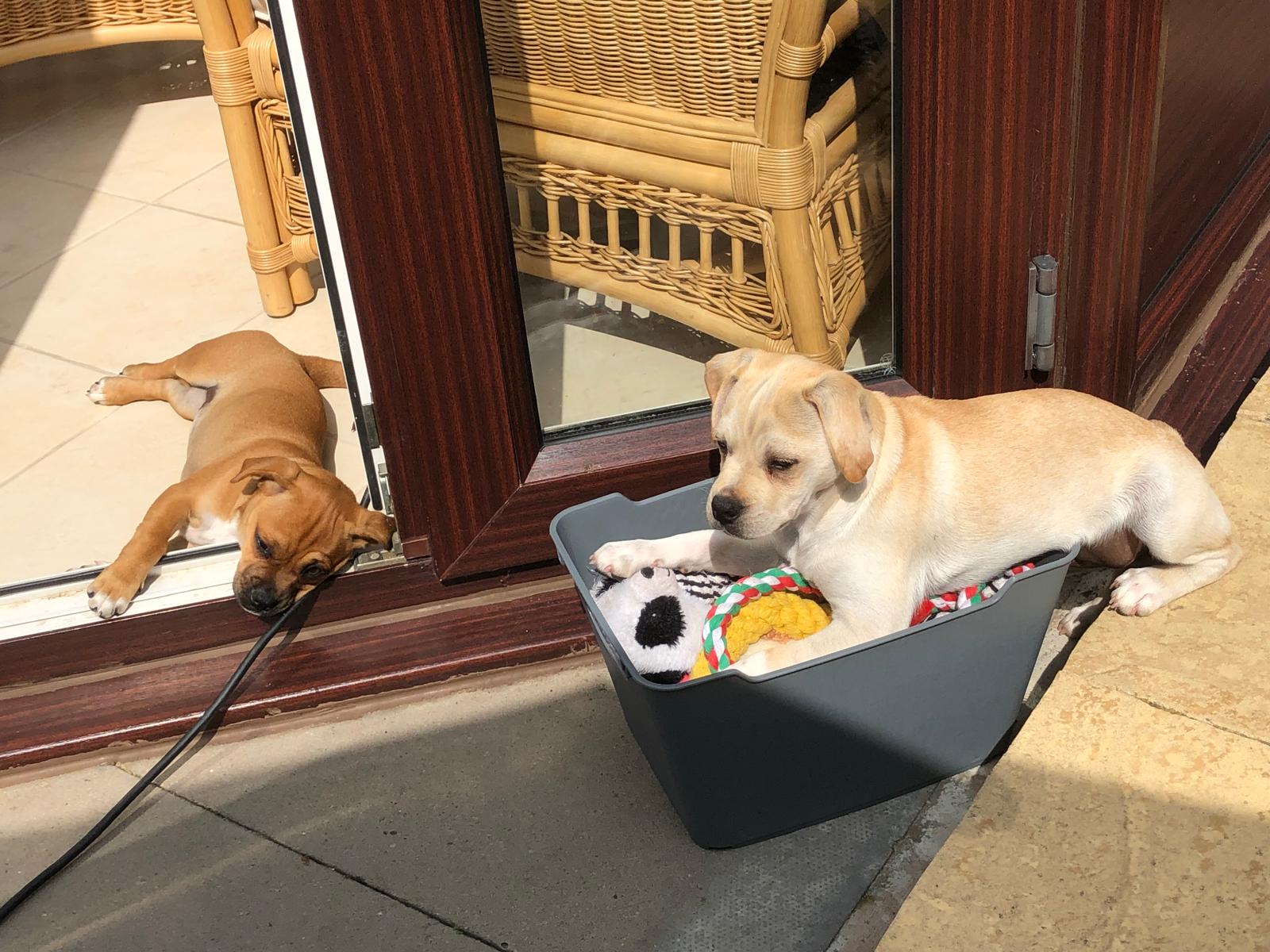
Provide suitable toys and chews, manage the environment so tempting or unsafe things are harder to reach, and redirect your puppy towards things they are allowed to put their teeth on.
Also pay attention to when the biting becomes worse. Tiredness and over-excitement can sometimes turn a fairly civilised puppy into a small furry crocodile.
Your puppy hasn’t necessarily turned aggressive. They may simply be a puppy with teeth, excitement and absolutely no understanding that your ankles aren’t a toy.
Normal puppy mouthing shouldn’t be used to dismiss behaviour that genuinely concerns you, though. If you’re worried about what you’re seeing, get appropriate professional advice rather than assuming you simply have to put up with it.
Crying, settling and being alone
Learning to spend time alone is useful, but independence doesn’t have to begin with suddenly leaving a brand-new dog for a long period.
Security comes before independence.
Start gradually and positively, using very short periods that your dog can cope with comfortably, and build from there.
The aim isn’t to see how long they can tolerate being alone. It’s to help them learn, step by step, that being apart from you can feel safe.
Socialisation and visitors
Socialisation isn’t a race to introduce your puppy to as many people, dogs and places as possible.
What matters is helping them have safe, positive and appropriately paced experiences.
Keep visitors manageable, allow your dog to choose whether they want to interact, and protect their resting space so they have somewhere they can retreat without being followed.
Questions to note
At some point during the first few days, nearly every new dog owner wonders:
Is this normal?
Maybe your puppy is biting more than you expected. Perhaps they’re struggling to settle, having toilet accidents, crying, sleeping differently from what you imagined or behaving nothing like the beautifully edited puppies you’ve seen online.
Some questions will simply be part of getting to know your individual dog.
But a website shouldn’t reassure you that everything is normal.
If something makes you concerned about your dog’s health or welfare, contact your veterinary practice or an appropriate qualified professional rather than relying on generic online reassurance.
And how are YOU doing?
This bit matters too.
You can desperately want a dog, prepare for them for months, adore them completely…
…and still occasionally wonder what on earth you’ve done.
New dog ownership can be tiring and overwhelming. Some people describe feeling anxious, regretful, emotional or simply exhausted during those first days and weeks as the “puppy blues.”
It’s an informal phrase, not a diagnosis, but the feelings behind it can be very real.
So give yourself some of the patience you’re giving your dog.
- Lower your expectations for Week One.
- Keep the basics manageable.
- Accept practical help when it’s offered.
- Stop comparing your real life with polished social-media puppies.
- Give the relationship time.
If your own distress becomes significant or persistent, seek appropriate support for yourself too.
You are both adjusting.
Your first-week check-in
At the end of the first week, don’t give yourself or your dog a score.
Instead, notice what’s beginning to settle and where you could use a little more help.
How are things going with toilet training? Sleep? Biting? Being alone? Feeding? Settling? Training?
Some things may already feel much easier.
Others may still be very much a work in progress.
That’s okay.
Somewhere amongst the interrupted sleep, training, cuddles, accidents and tiny everyday successes… you’re beginning to become a team.