
New to Dogs · Stage 03
Getting Ready for Your Dog
A simple starting place for planning your home and routine before your dog arrives.

Areas to explore
Use these starting points as you prepare for your dog’s arrival.
Your space at home
Everyday essentials
People and routines
Your first-week plan

Your space at home
Bringing a dog home changes how you look at your house.
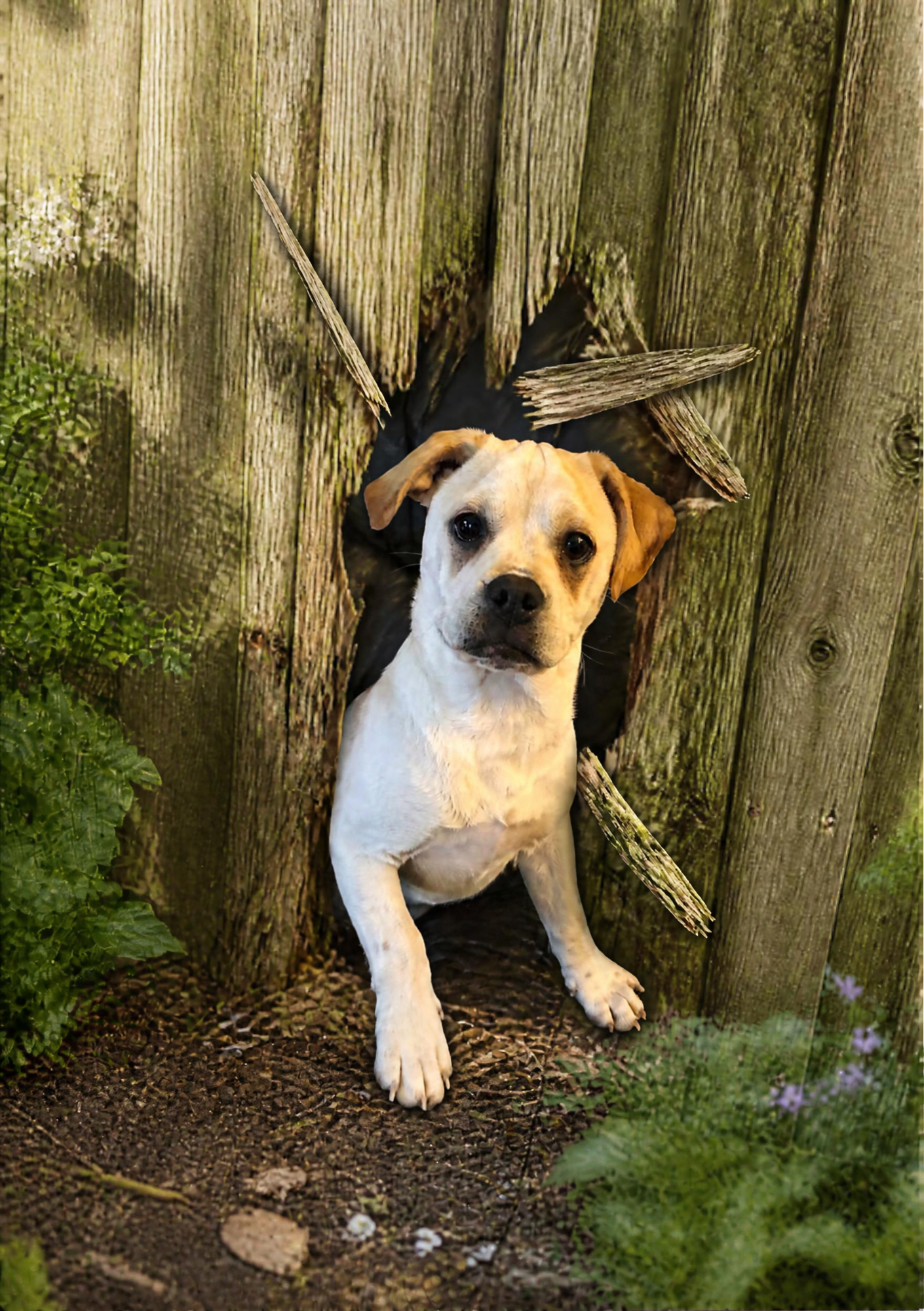
Suddenly, the cable behind the television looks rather chewable. The kitchen bin becomes considerably more interesting. And that tiny gap in the garden fence you barely noticed before can start looking suspiciously dog-sized.
You don’t need to turn your home into a fortress. You just need to look at it from your new dog’s point of view.
Start with the places they’ll spend most of their time
Walk through your home and think about what your dog will be able to reach.
Look out for things such as:
- medicines, cleaning products and chemicals
- batteries and electrical cables
- bins and food they shouldn’t have access to
- plants that may be unsafe
- small objects that could be swallowed or chewed
- doors, gates or windows that could provide an unexpected escape route
You won’t spot everything, and you don’t need to create a home that is somehow 100% puppy-proof.
The aim is simply to remove the obvious risks and make everyday life easier to manage.
Make sure your garden is safe and secure
If your dog will have access to a garden, take a proper look around before they arrive.
Check fences, gates and boundaries for gaps or weak points, and think about anything your dog might be able to climb onto, squeeze through or investigate.
Garden chemicals, pesticides, tools and other potentially harmful items should be kept safely out of reach.
A secure garden is useful, but it doesn’t replace supervision, particularly while you’re still learning what your new dog is likely to get up to.
Create a comfortable, quiet space for your dog
Your dog will also need somewhere comfortable and relatively quiet where they can settle and sleep.
That might involve a bed, crate, pen or a combination that works for your particular dog and home.
There isn’t one compulsory setup.
If you choose to use a crate, it should be appropriately sized and introduced positively rather than simply assuming your dog will automatically see it as their safe place.
The important thing is that your dog has somewhere suitable to rest without constantly being in the middle of everything that’s happening.
A little preparation now can make those first few days feel much calmer for everyone.

Everyday essentials
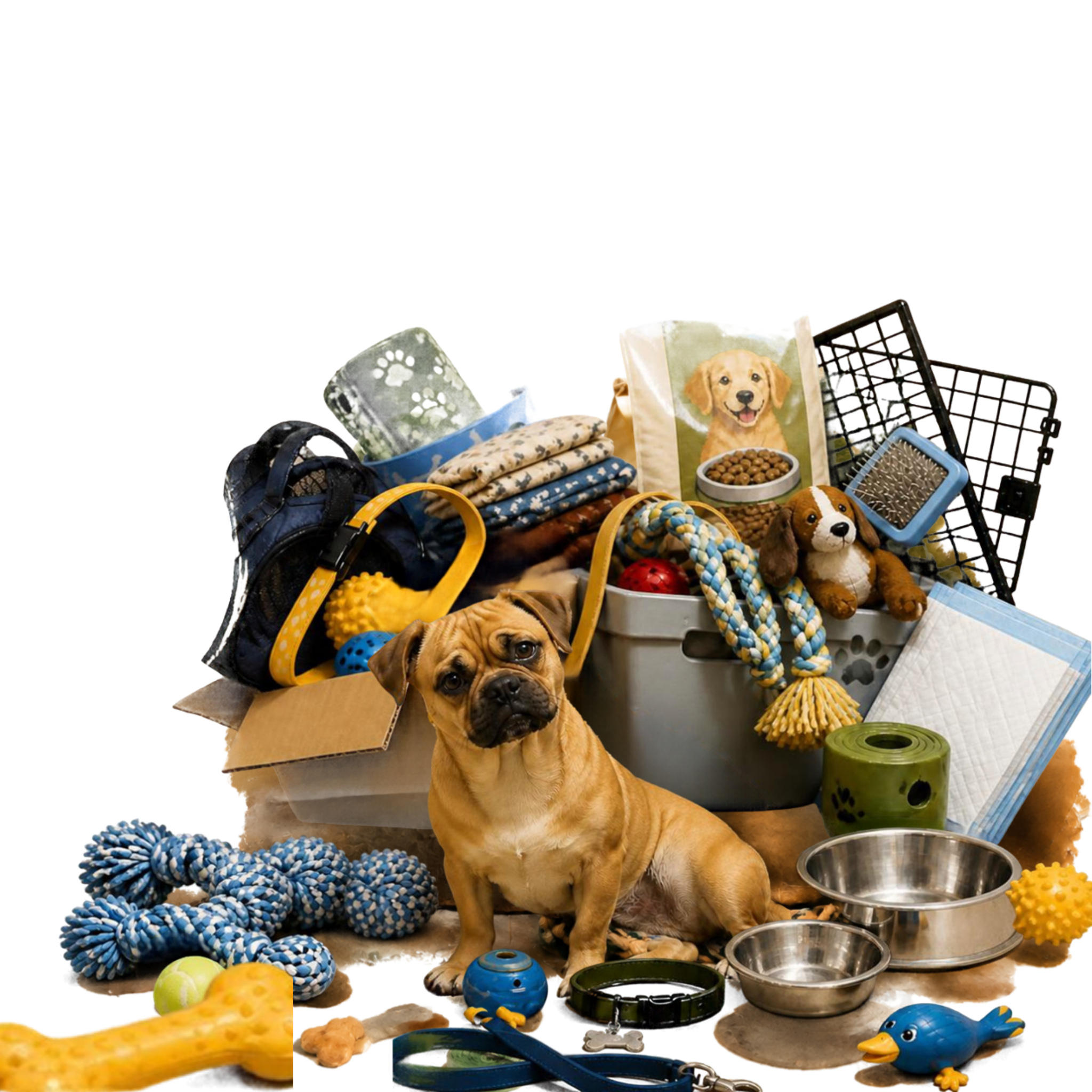
This is where it becomes very easy to buy half the pet shop before your dog has even arrived.
You don’t need to.
Prepared doesn’t mean buying everything. It means having the right things ready.
The essentials to have ready before your dog arrives
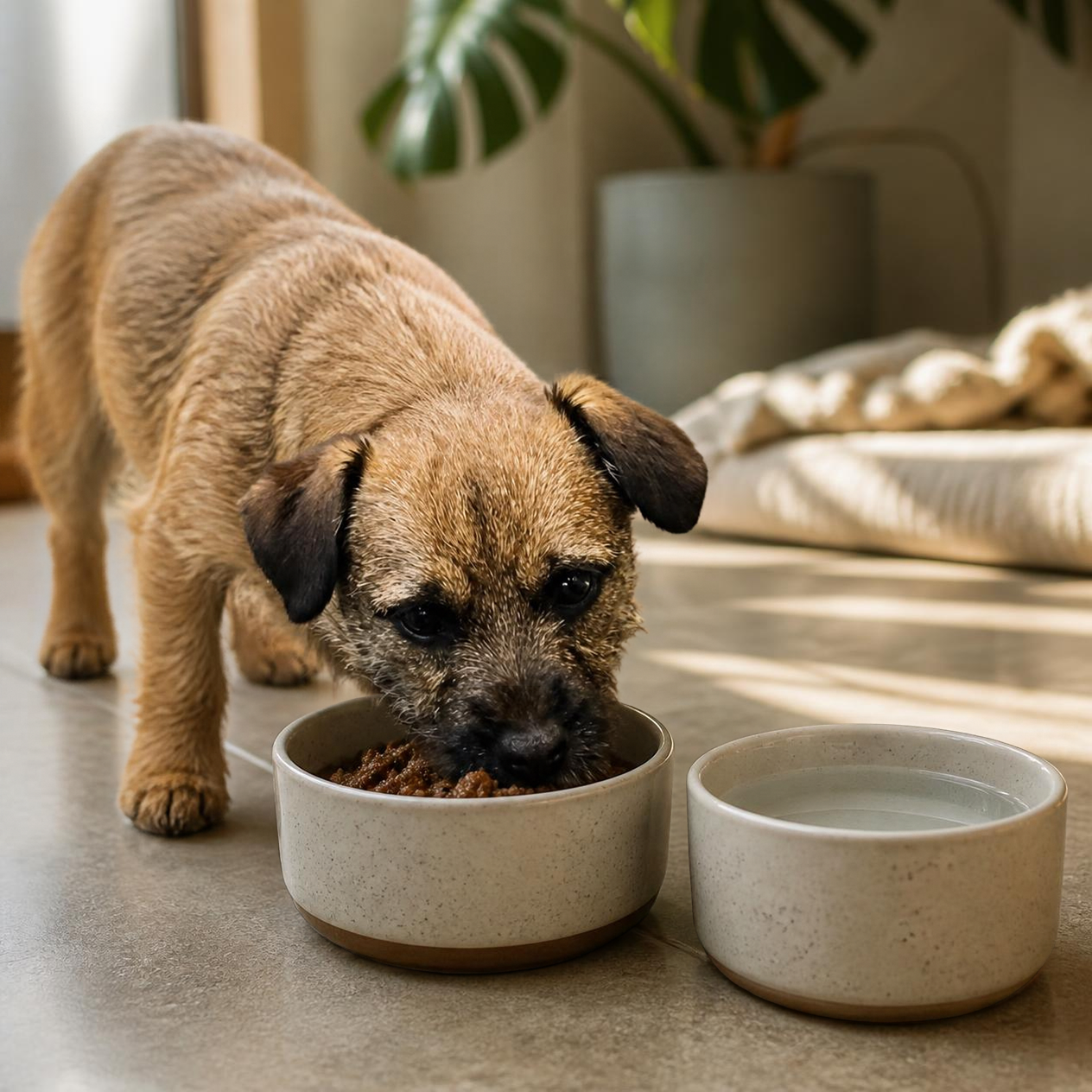
These are the basics you’ll want ready from the beginning, such as familiar food, suitable bowls, a comfortable resting setup, appropriate walking and identification essentials, safe travel arrangements, a few suitable toys or enrichment options and basic cleaning or toileting supplies.
Other items you might find useful
Things such as crates, pens, stair gates, grooming equipment, extra bedding and other household equipment can be extremely useful for some dogs and completely unnecessary for others.
Choose what suits your dog and your home. You don’t need to buy something just because someone else recommends it.
Things you can buy after your dog arrives
Plenty of things can be chosen after your dog arrives.
Waiting can actually make some purchases easier because you’ll know more about their size, preferences, habits and what works in your home.
Products you may not actually need
And then there are the products marketed as though no responsible dog owner could possibly survive without them.
Some may be useful. Others may solve a problem you don’t actually have.
Before buying something, ask yourself:
What problem is this supposed to solve for my dog?
If you can’t answer that yet, then it can probably wait.
People and routines
Getting the house ready is only part of the preparation.
The people living in it need a plan too.
Talk about who will handle feeding, toilet trips, walks, training, appointments and the less glamorous jobs that somehow never feature in the photographs of adorable new puppies.
If children are involved, agree on some simple ground rules before your dog arrives. Early interactions should be calm, dog-led and closely supervised by an adult.
If you already have another dog or cat, don’t assume they’ll instantly become best friends.
Plan introductions gradually, provide separate resources and make sure each animal has somewhere they can retreat to without being followed.
Find a vet before you need one
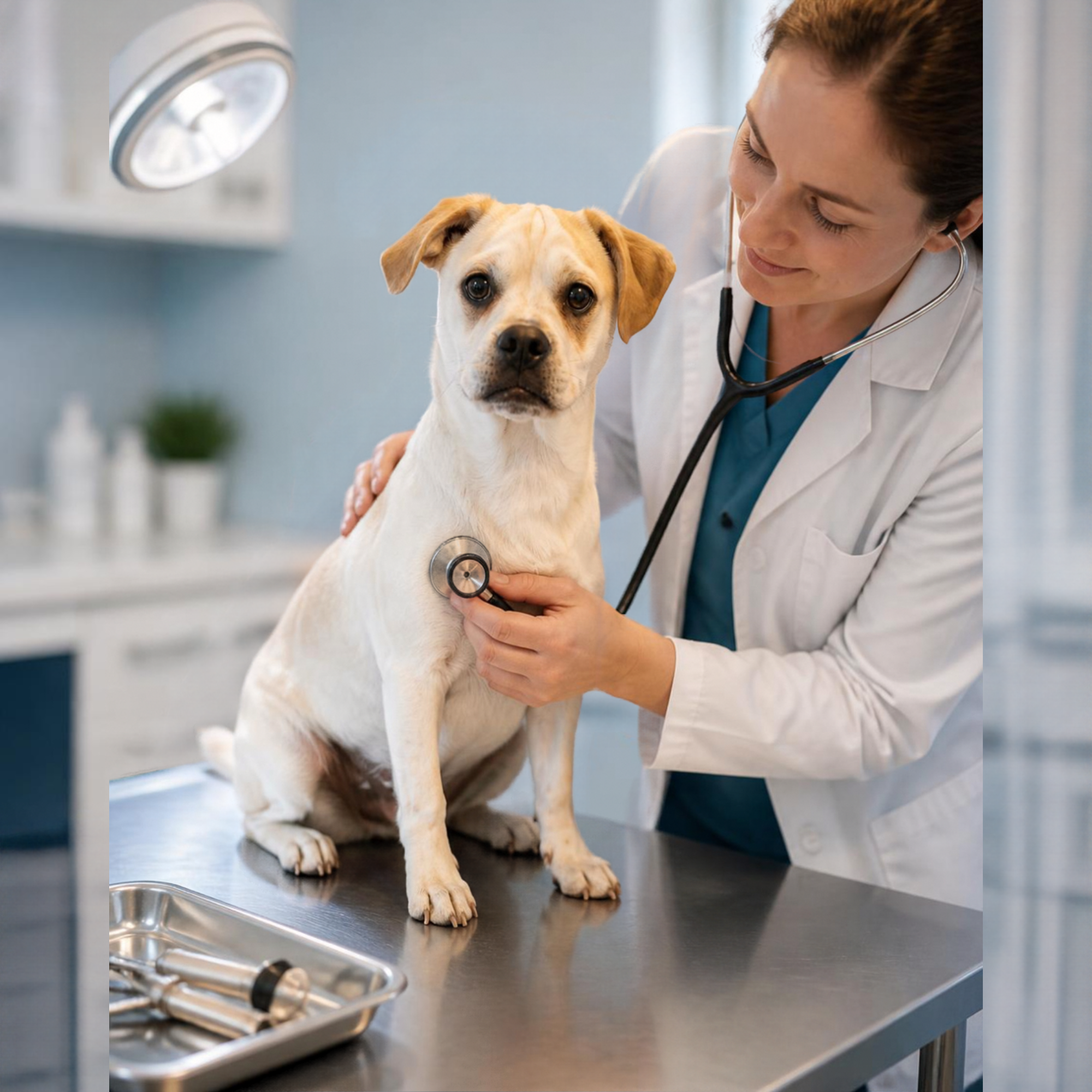
It’s sensible to choose and contact a suitable veterinary practice before collection day rather than waiting until you suddenly need one.
Ask what information they will need about your new dog and how they handle registration and first appointments.
Think about veterinary costs too
Insurance is one way of planning for unexpected veterinary costs, but it isn’t the only approach and ordinary pet-dog insurance isn’t compulsory.
What matters is thinking in advance about how you would manage veterinary expenses rather than dealing with that question for the first time during an emergency.
Your first-week plan
You don’t need an hour-by-hour timetable for your dog’s first week.
But having the basics organised means you can concentrate on helping them settle rather than searching for paperwork, food or a missing lead.
Before collection day
Gather together the information that applies to your dog.
That may include:
- contract, receipt or adoption agreement
- microchip number and transfer instructions
- vaccination and veterinary information
- medication and known medical conditions
- parasite-treatment information
- current food and feeding routine
- breeder or rescue contact details and support/return terms
- relevant licence or health-screening information
- known behaviour, training and socialisation information
- relevant travel or import records
Plan the journey home
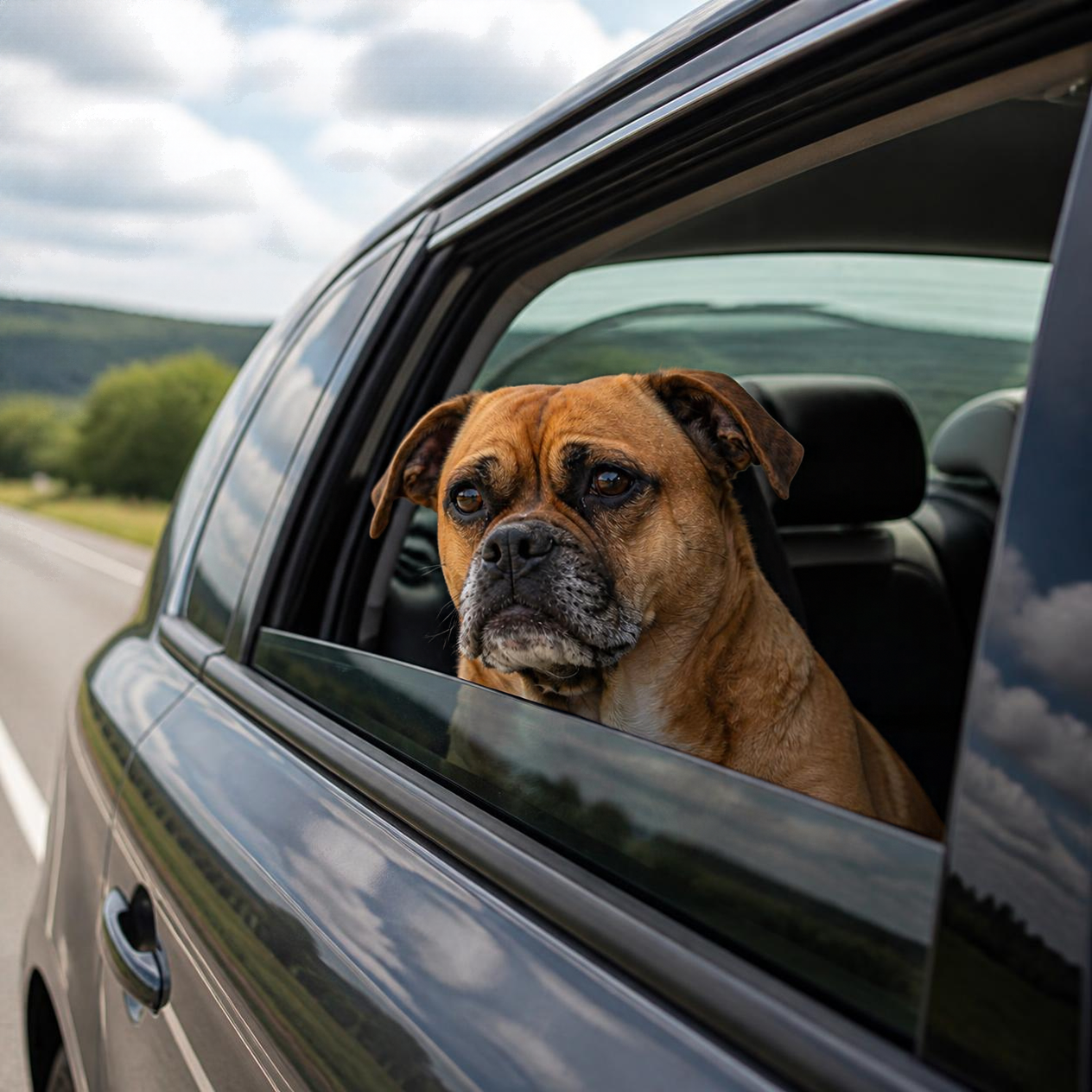
Think about how your dog will travel safely before collection day. The Highway Code advises that dogs should be suitably restrained in vehicles so they cannot distract the driver or be injured if you need to stop suddenly. Depending on your dog’s size and your vehicle, this could mean a suitable seat-belt harness, a securely fitted carrier, a crate or a dog guard.
Plan ahead for ventilation, temperature, water and any breaks needed during the journey. Before opening a car door, make sure your dog is safely secured so they cannot jump out unexpectedly, particularly near roads or traffic. Having everything ready beforehand will make the journey home safer and less stressful for everyone.
Think about the first night
Decide beforehand where your dog will sleep and what you’ll do if they struggle to settle.
Keep things gentle and manageable. A brand-new dog has just left everything familiar and may need reassurance while they adjust.
The goal of the first night isn’t perfect behaviour. It’s helping your new dog begin to feel safe in their new home.
And remember, you don’t need to have every detail figured out before collection day.
You just need enough in place to make those first few days easier.
You’ve done the preparation, and now it’s time to get to know your new dog and help them settle into their new home.

PRACTICAL RESOURCE
GETTING READY CHECKLIST
Everything you need to prepare before your dog comes home.
There’s plenty to prepare before bringing your dog home. You can work through the checklist online or download a printable copy to tick off as you go.
A note about the checklist
LEGAL means the item relates to a legal requirement.
IMPORTANT identifies something we strongly recommend arranging.
All other items are practical preparations for your dog’s arrival.

Prefer to complete your checklist online?
Tick off each item below as you prepare for your dog’s arrival.
01 — Before You Commit
RENTING
In England, rules for relevant assured tenancies changed from 1 May 2026. Other tenancy types and other parts of the UK can differ, so renters should check their own tenancy and current local rules.
02 — Choose Your Vet & Sort the Essential Admin
LEGAL Dogs in the UK must generally be microchipped and registered by eight weeks old. When a dog changes keeper, the database details need to be kept correct. Northern Ireland also has dog licensing requirements, subject to exemptions.
03 — Prepare the Home
OUTSIDE
04 — Things to Buy
EVERYDAY ESSENTIALS
HOME & ENRICHMENT
GROOMING
LEGAL Subject to specified exemptions, a dog in a highway or public place must wear a collar carrying the owner’s name and address. A telephone number is useful, but does not replace the required name and address.
05 — Food & Routine
Some information simply may not be known. That’s okay. The aim is to collect what is available, not to create a perfect history where one doesn’t exist.
RESCUE & OLDER DOGS
06 — Plan the Journey Home
IMPORTANT Highway Code Rule 57 says dogs and other animals should be suitably restrained so they cannot distract the driver or injure themselves or other occupants if the vehicle stops quickly.
07 — Important Information to Bring Home
ABOUT YOUR DOG
ABOUT THEIR LIFE SO FAR
08 — Prepare for the First Few Days
REMEMBER
READY FOR ARRIVAL?
You don’t need to show your new dog their whole new world on day one. Home, safety, rest and getting to know you are enough.
Once you’ve got everything ready for your dog’s arrival, remember that settling into a new home takes time. Your dog is leaving behind familiar people, surroundings and routines, and everything in their new home will be different.
They may be unsettled at first, struggle to sleep or need extra reassurance. The first few days won’t necessarily go exactly as planned, and that’s perfectly normal. Give your dog time to explore, establish a gentle routine and become comfortable in their new surroundings. There’s no need to rush things.
This checklist is general UK information and practical preparation, not veterinary or legal advice. Rules and guidance can change, so check current official information where a legal requirement applies.
SUPPORTING RESOURCE
BONUS PRINTABLE
My Dog’s Important Details
Keep your dog’s key information together in one handy place, including microchip, vet, insurance, food and routine details. Download and complete a copy so you have your dog’s important information to hand when you need it. Make sure anyone else responsible for your dog’s care knows how to access these details too, particularly in an emergency.
DOWNLOAD MY DOG’S IMPORTANT DETAILS