DOGS, BREEDS & THE LAW
Choosing a dog isn’t only about size, appearance or personality. In the UK, there are laws affecting certain types of dog, as well as laws that apply to every dog and owner.
If you’re considering a dog, it is worth understanding these rules before making a decision.
The law can change, and some rules differ depending on where in the UK you live. This page provides general information rather than legal advice, so always check the latest official guidance for your part of the UK.
Information last checked: 6 October 2026.
WHAT DOES “PROHIBITED TYPE” MEAN?
Dog legislation does not always depend on the breed name written on paperwork.
For prohibited dogs, authorities may consider whether a dog has the physical characteristics of a prohibited type.
That means a dog described as a crossbreed, or given another breed name, is not automatically outside the legislation.
If you are unsure whether the rules may apply to a dog, use the official guidance for your part of the UK rather than relying on appearance, advertising or breed paperwork alone.
WHICH DOG TYPES ARE PROHIBITED?
The prohibited types currently include:
- Pit Bull Terrier
- Japanese Tosa
- Dogo Argentino
- Fila Brasileiro
- XL Bully
The rules surrounding these dogs are strict, and the details of exemption arrangements and administration can differ across England and Wales, Scotland and Northern Ireland.
WHAT DOES THE LAW RESTRICT?
There are legal restrictions around prohibited dog types, including breeding, selling, giving away or abandoning them.
A prohibited dog cannot simply be treated in the same way as an unrestricted breed or type.
Where a prohibited dog is legally kept under an exemption, the owner must continue to meet the conditions attached to that exemption.
KEEPING AN EXEMPT PROHIBITED DOG
Depending on the relevant jurisdiction and exemption scheme, ongoing requirements can include:
- microchipping
- neutering
- keeping the dog securely so it cannot escape
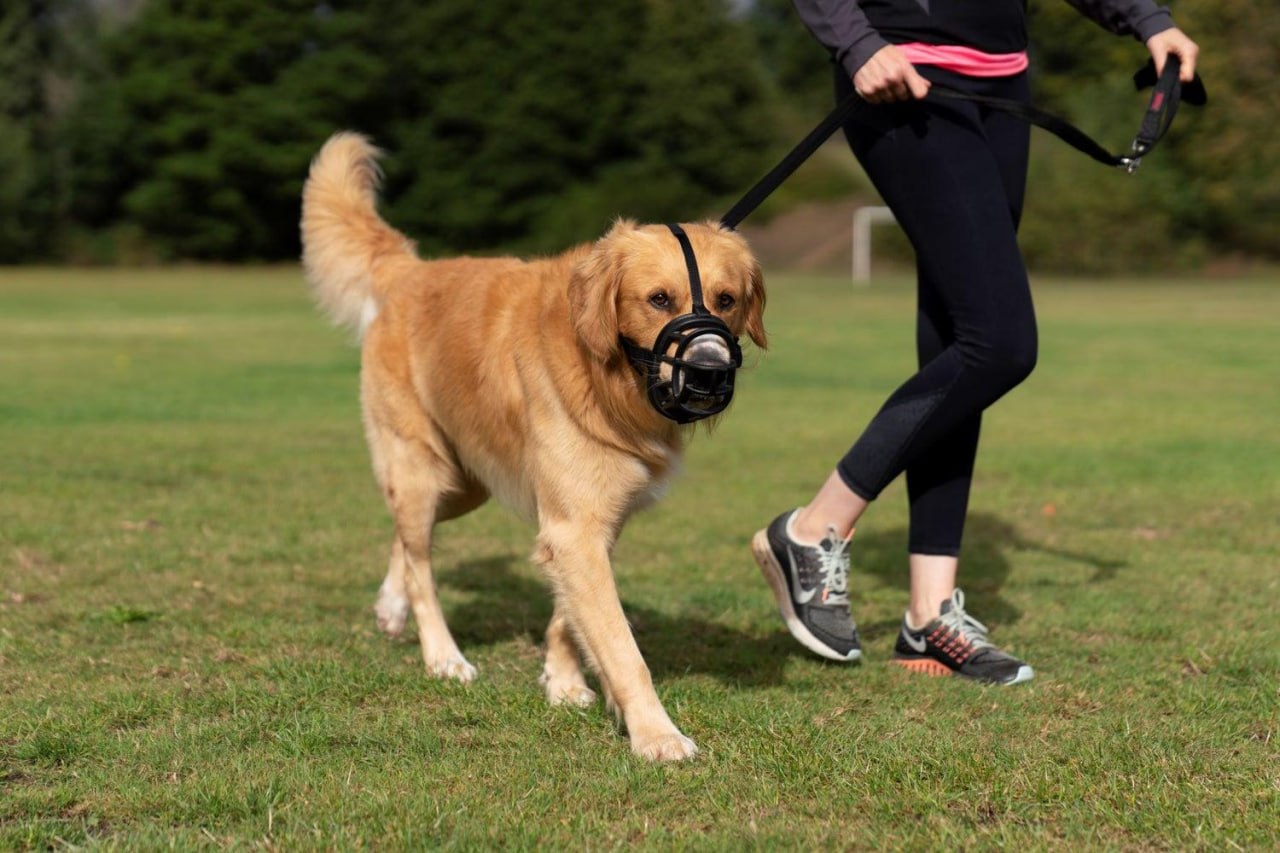
- using a muzzle in public
- keeping the dog on a lead in public
- complying with certificate and notification requirements
Do not assume that older online information is still correct.
For example, third-party public liability insurance ceased to be a condition of exemption from 1 July 2026.
Always check the current official guidance for where you live.
CHILDREN AND PROHIBITED DOGS
From 1 November 2026, additional rules apply concerning close contact between children under 12 and exempt prohibited dogs in private places.
The detailed supervision requirements are not identical throughout the UK.
For that reason, owners and prospective owners should check the current official guidance for England and Wales, Scotland or Northern Ireland rather than relying on a single UK-wide summary.
IF YOU ARE UNSURE WHETHER A DOG IS A PROHIBITED TYPE
Do not rely solely on a breed name, advertisement, registration paperwork or assumptions about a dog’s parentage.
Official assessment can be based on physical characteristics.
If you think a dog may fall within a prohibited type, check the current government guidance and seek appropriate professional/legal advice where necessary.
In England and Wales there is also a process, introduced in October 2026, through which qualifying holders of an owner-led XL Bully Certificate of Exemption may apply to withdraw that certificate if they believe the dog does not meet the XL Bully definition.
Withdrawing an exemption is a serious decision and should only be considered after reading the current official guidance.
WHAT IF A DOG IS SUSPECTED OF BEING A PROHIBITED TYPE?
Authorities have legal powers concerning dogs suspected of being prohibited types.
Depending on the circumstances, this can include seizure and court proceedings.
A dog does not necessarily have to have injured someone or behaved aggressively before prohibited-type legislation becomes relevant.
If you are affected by this situation, use official government information and consider obtaining appropriate legal advice rather than relying on general information online.
THE LAW ISN’T ONLY ABOUT PROHIBITED DOGS
Breed or type legislation is only one part of responsible dog ownership.
Laws concerning dogs that are dangerously out of control can apply to ANY dog, regardless of breed or size.
Owners therefore need to think about safe handling, appropriate training, supervision and keeping their dog under control throughout everyday life.
Not being a prohibited type does not mean that dog-control laws do not apply.
WHERE YOU LIVE MATTERS
ENGLAND & WALES
Use current GOV.UK guidance for prohibited dogs and XL Bullies.
Rules include exemption conditions, lead and muzzle requirements, secure keeping, microchipping and neutering requirements.
From 1 November 2026, new child-supervision conditions also apply.
SCOTLAND
Scotland has its own XL Bully exemption administration and official guidance.
Do not assume every England and Wales administrative rule applies in Scotland.
From 1 November 2026, Scotland also has child-protection requirements concerning exempt prohibited dogs and children under 12.
NORTHERN IRELAND
Northern Ireland has its own prohibited-dog administration and dog-licensing system.
An exempt XL Bully must also have the required valid council dog licence.
Use nidirect and the relevant local council information for current requirements.
CHECK THE LATEST RULES
- England & Wales: GOV.UK — Banned dogs
- England & Wales: GOV.UK — XL Bully dogs
- Scotland: Scottish Government — XL Bully dog rules
- Northern Ireland: nidirect — XL Bully dogs
- For legislation/reference: legislation.gov.uk