CARE & WELLBEING · STAGE 06
When Something Isn’t Right
You know your dog better than anyone.
That doesn’t mean you’ll always know what’s wrong.
Sometimes the first sign that something isn’t quite right is obvious. Other times it’s simply a feeling that your dog seems different.
They may be quieter than usual.
They may not want their dinner.
They might move differently, sleep more, avoid something they normally enjoy or simply not seem quite themselves.
Learning to notice those changes is one of the most useful things you can do for your dog.
You don’t need to diagnose the problem.
You just need to notice when something has changed and know when it’s time to ask for help.
Start with what is normal for your dog
Every dog has their own version of normal.
How much they sleep.
How excited they are about food.
How often they drink.
How they walk, play and interact with you.
How interested they are in what’s going on around them.
The more familiar you become with those everyday patterns, the easier it can be to notice when something changes.
A change doesn’t automatically mean something is seriously wrong.
But it is information worth paying attention to.
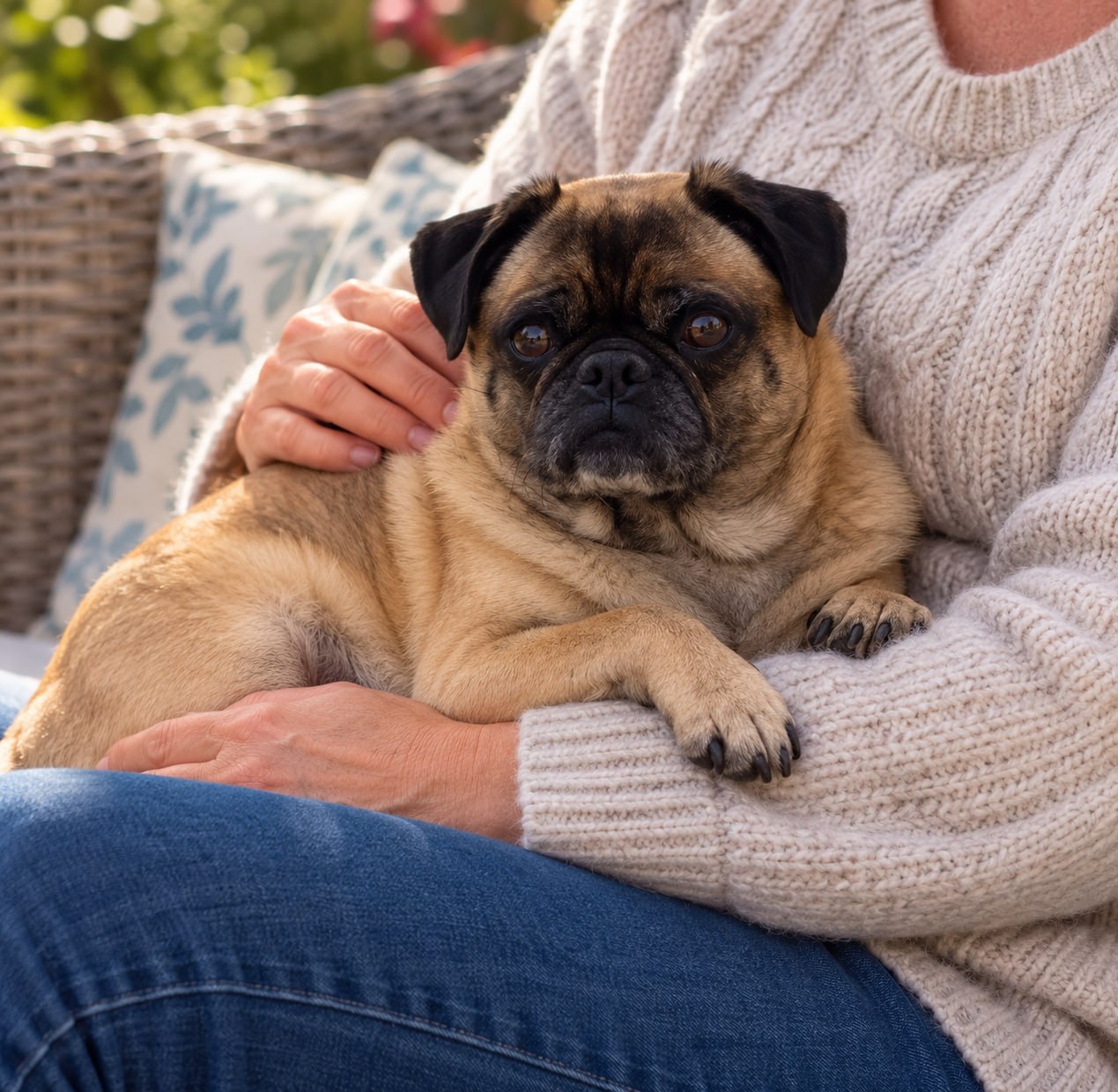

Changes in behaviour can be a clue
Dogs can’t tell us where something hurts or explain that they feel unwell.
Sometimes their behaviour tells us instead.
You might notice that your dog:
- becomes unusually quiet
- seems restless or unable to settle
- hides or seeks more reassurance than usual
- becomes reluctant to be touched
- seems unusually irritable
- stops wanting to play
- loses interest in things they normally enjoy
- behaves differently around familiar people or dogs
Behaviour changes can have many causes.
Pain, illness, fear, stress and changes in the environment can all affect how a dog behaves.
If a change is sudden, significant, persistent or simply worries you, speak to your vet.
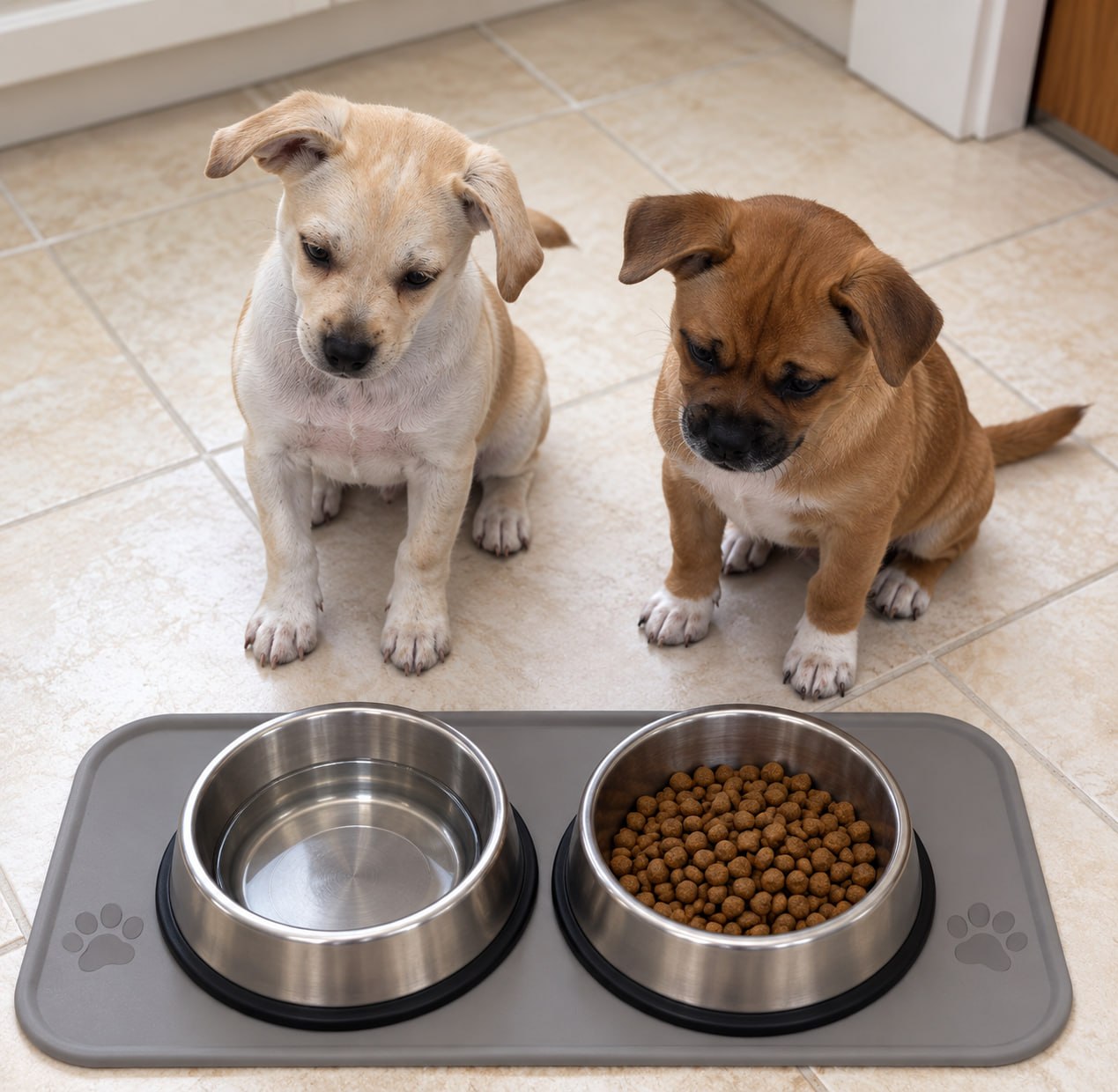
Eating and drinking can tell you a lot
Changes in appetite are often one of the first things owners notice.
A dog who normally appears the moment food is mentioned but suddenly leaves their meal deserves a closer look.
Likewise, drinking noticeably more or less than usual can sometimes be important.
One missed meal does not necessarily mean something is wrong.
But consider the whole picture.
Are they otherwise behaving normally?
Are they drinking?
Have they vomited?
Do they seem uncomfortable?
Has anything else changed?
Persistent or significant changes in eating or drinking should be discussed with your vet.
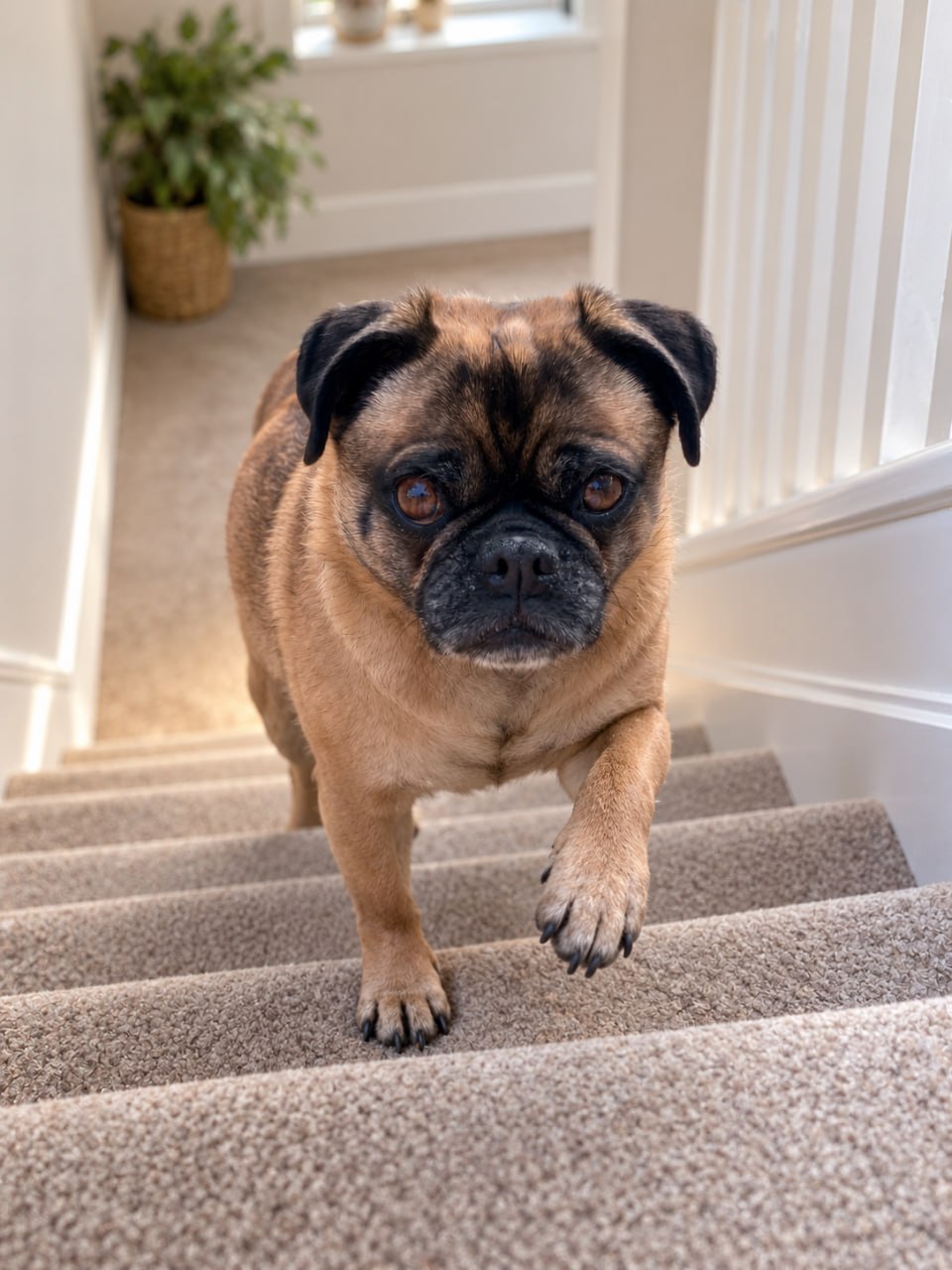
Changes in movement can be subtle
Not every mobility problem begins with an obvious limp.
Sometimes the changes are much smaller.
Your dog might hesitate before jumping onto the sofa.
They may take stairs more slowly.
They might lag behind on a familiar walk or seem stiff when they first get up.
You may notice them shifting their weight, avoiding a particular movement or choosing not to do something they normally enjoy.
Older dogs in particular can gradually adapt the way they move, which can make changes easy to miss.
If your dog’s movement changes, appears painful or continues to concern you, speak to your vet.
Look at the whole dog
Sometimes there isn’t one dramatic symptom.
There are simply several little things that, together, make you wonder.
Pay attention to changes involving:
- eyes
- ears
- mouth and gums
- skin and coat
- toileting
- breathing
- posture
- movement
- appetite
- thirst
- sleep
- behaviour
- energy levels
You are not trying to perform a veterinary examination.
You are simply noticing what is different from normal.
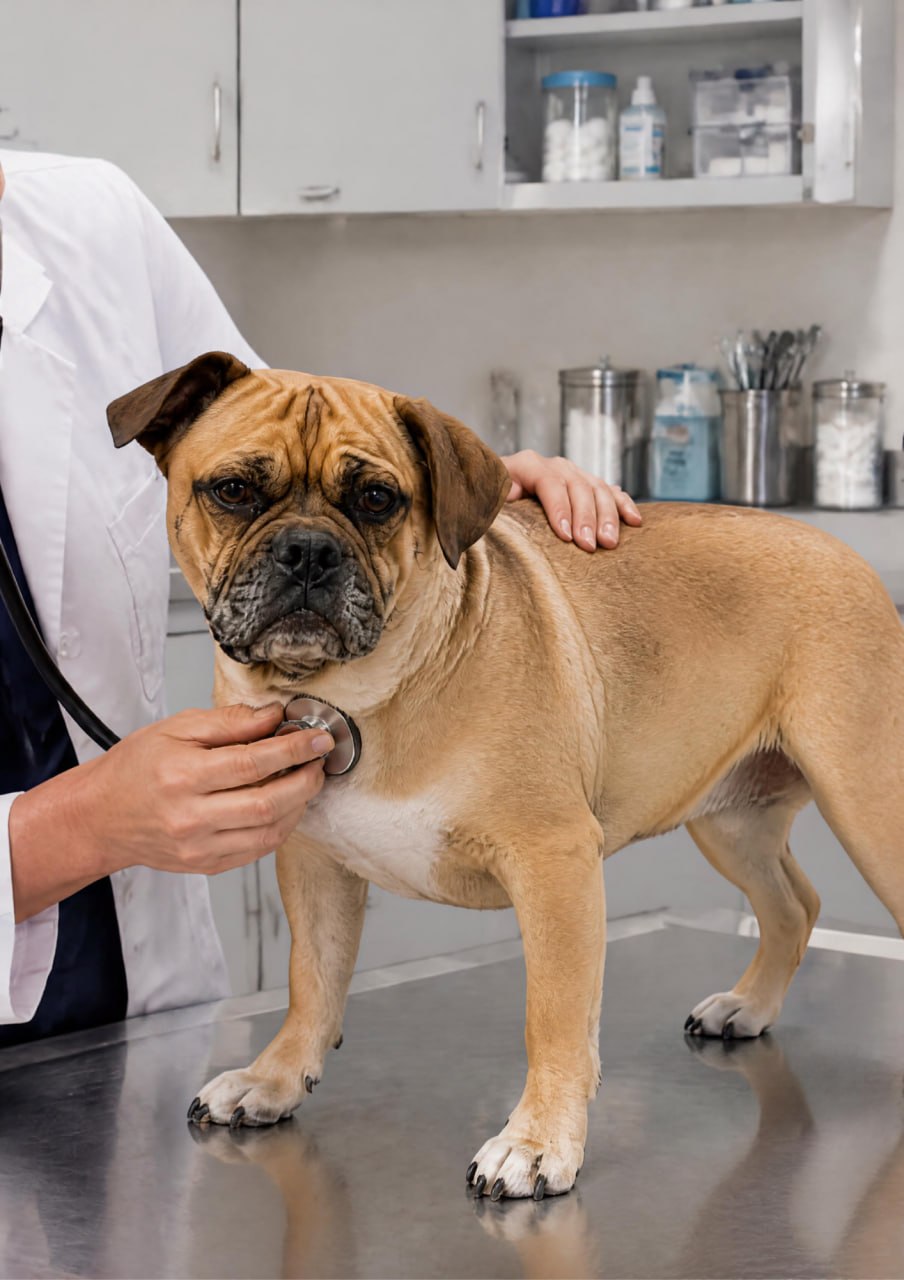
Pain doesn’t always look dramatic
Dogs do not always cry, whimper or make it obvious when something hurts.
Signs of discomfort can be surprisingly subtle.
A dog in pain may become quieter, restless or reluctant to move.
They may repeatedly lick an area, change the way they sit or lie down, avoid being touched or simply seem different.
Changes in behaviour can sometimes be the first clue.
If you think your dog may be in pain, contact your vet.
Never give human painkillers unless a vet has specifically instructed you to do so.
Write things down if it helps
When you’re worried, it can be surprisingly difficult to remember exactly when something started or how often it has happened.
Making a few notes can help.
You might record:
- when you first noticed the change
- whether it is getting better, worse or staying the same
- changes in eating or drinking
- vomiting or diarrhoea
- changes in toileting
- unusual behaviour
- medication your dog is taking
- anything unusual they may have eaten or been exposed to
Photographs or short videos can also sometimes be useful, particularly if the behaviour or movement doesn’t happen while you’re at the veterinary practice.
Sometimes monitoring is the advice
Not every concern requires immediate treatment.
Sometimes, after speaking to your vet, you may be advised to keep an eye on something.
Monitoring does not mean ignoring it.
It means watching for particular changes and knowing what would mean contacting the vet again.
Make sure you understand what you are looking for and how long your vet wants you to monitor it.
If your dog gets worse or you become more concerned, contact them again.
Know when something may be urgent
Some situations need veterinary help quickly.
Contact a vet promptly if your dog is:
- having difficulty breathing
- collapsed or unable to stand
- having repeated seizures or a seizure that does not stop
- bleeding heavily
- repeatedly vomiting or unable to keep water down
- showing signs of severe pain
- struggling to urinate
- suddenly very weak or unresponsive
- suspected of eating something poisonous or dangerous
- involved in a significant accident or trauma
This is not an exhaustive list.
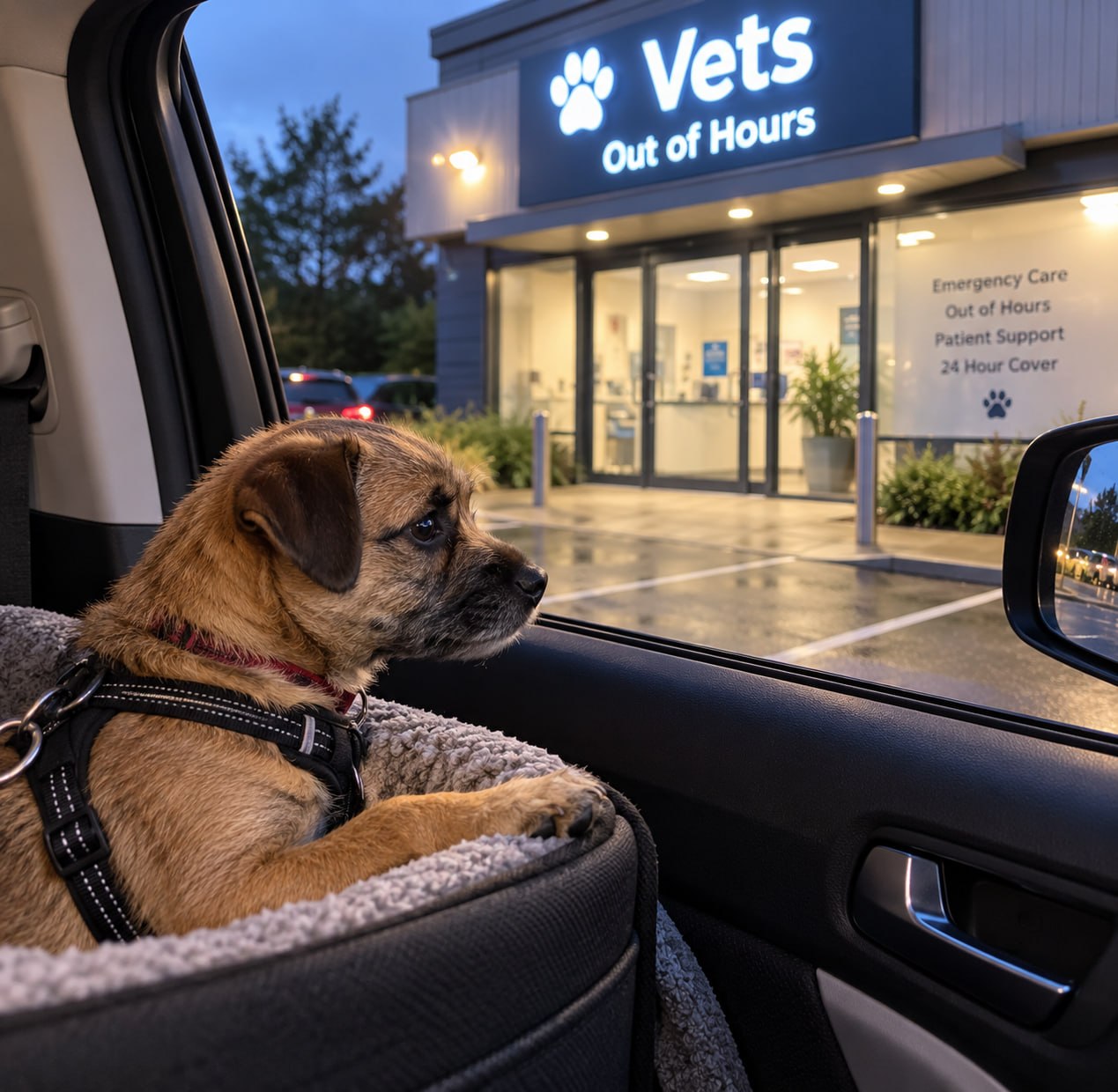
If you are seriously worried about your dog, contact your veterinary practice or their out-of-hours service for advice.
Online information has limits
The internet can be useful for learning about dogs.
It can also turn one unusual sneeze into seventeen terrifying possibilities before you’ve finished your cup of tea.
Online information cannot examine your dog.
It cannot listen to their heart, feel their abdomen, check their temperature or see all the small details that may matter.
Use reliable information to help you understand and prepare questions.
Do not use it as a substitute for veterinary assessment when your dog is unwell.
Trust yourself enough to ask
You do not need to prove that something is wrong before contacting your vet.
Sometimes you simply know your dog isn’t behaving normally.
That matters.
Explain what you have noticed, when it started and what is different from usual.
Your vet can then help you decide what needs to happen next.
It is far better to ask a question than spend hours wondering whether you should have done.
SHOULD I CALL MY VET?
Something has changed with your dog, but you’re not sure what to do next?
Our short interactive tool can help you think through what you’re seeing and decide whether your next step should be to contact a vet now, call your vet for advice, or continue monitoring carefully.
It doesn’t diagnose your dog and it can’t tell you that your dog is definitely well. If you’re worried, you can always contact your vet without using the tool first.
Knowing when to seek help for your dog
You don’t need to recognise every illness to know when your dog may need help.
It doesn’t mean knowing exactly what every symptom means.
And it certainly doesn’t mean never worrying.
It means knowing your dog.
Noticing when something changes.
Paying attention to the little things.
Asking questions when you’re unsure.
And getting professional help when they need it.
Over time, you learn what is normal for your dog in a way no checklist can completely describe.
Their habits.
Their expressions.
Their routines.
Their little quirks.
That knowledge becomes one of the most useful tools you have.
You don’t have to know every answer.
You just need to know your dog.